With over 40 years of experience, TAGONG is the expert in manufacturing standard fasteners and special fasteners
+86 15859750876
+86 13599720777
这里是标题一h1占位文字
The Essential Role of Railway Fasteners in Modern Rail Systems
2025-12-10
In the realm of industrial equipment and components, railway fasteners play an indispensable role in the integrity and functionality of rail systems. These fasteners are critical for securely fastening tracks, switches, and other structural elements of rail infrastructure. Their importance cannot be overstated, as the safety and efficiency of rail transport fundamentally depend on the reliability of these components.
Railway fasteners come in various types, each designed for specific purposes within the railway system. The most common types include rail anchors, track bolts, and tie plates. Rail anchors are used to prevent rail movement and maintain gauge, while track bolts are crucial for fastening rail sections together. Tie plates, on the other hand, serve as a bridge between the rail and the wooden or concrete ties, distributing the load and reducing wear.
The materials used in railway fasteners are equally important. These components must withstand significant stresses and harsh environmental conditions. Therefore, railway fasteners are typically made from high-strength steel or other durable materials that offer resistance to corrosion and fatigue. The choice of material not only influences the lifespan of these fasteners but also impacts their performance under varying loads and temperatures.
In addition to their physical attributes, the design and installation of railway fasteners are vital for ensuring optimal functionality. Proper alignment and torque specifications must be adhered to during installation to prevent issues such as rail misalignment or loosening over time. Regular maintenance and inspections are also crucial in identifying wear and tear early, ensuring that fasteners continue to perform effectively throughout their service life.
Moreover, advancements in technology have led to the development of innovative fastening solutions that enhance the performance and safety of rail systems. For instance, specialized coatings and treatments are now available to improve the corrosion resistance of railway fasteners, thereby extending their lifespan and reducing maintenance costs.
As the railway industry continues to evolve, the demand for reliable and efficient railway fasteners remains a constant. They are essential not only for the structural integrity of the railways but also for the overall safety of passengers and cargo transported across vast distances. Understanding the significance of railway fasteners and their proper application is crucial for professionals working in the field of industrial equipment and components.
In summary, railway fasteners are a vital element in the construction and maintenance of rail systems, influencing safety, performance, and longevity. By recognizing their importance and ensuring best practices in their use, industry professionals can contribute to the reliability of railway operations worldwide.
Railway fasteners come in various types, each designed for specific purposes within the railway system. The most common types include rail anchors, track bolts, and tie plates. Rail anchors are used to prevent rail movement and maintain gauge, while track bolts are crucial for fastening rail sections together. Tie plates, on the other hand, serve as a bridge between the rail and the wooden or concrete ties, distributing the load and reducing wear.
The materials used in railway fasteners are equally important. These components must withstand significant stresses and harsh environmental conditions. Therefore, railway fasteners are typically made from high-strength steel or other durable materials that offer resistance to corrosion and fatigue. The choice of material not only influences the lifespan of these fasteners but also impacts their performance under varying loads and temperatures.
In addition to their physical attributes, the design and installation of railway fasteners are vital for ensuring optimal functionality. Proper alignment and torque specifications must be adhered to during installation to prevent issues such as rail misalignment or loosening over time. Regular maintenance and inspections are also crucial in identifying wear and tear early, ensuring that fasteners continue to perform effectively throughout their service life.
Moreover, advancements in technology have led to the development of innovative fastening solutions that enhance the performance and safety of rail systems. For instance, specialized coatings and treatments are now available to improve the corrosion resistance of railway fasteners, thereby extending their lifespan and reducing maintenance costs.
As the railway industry continues to evolve, the demand for reliable and efficient railway fasteners remains a constant. They are essential not only for the structural integrity of the railways but also for the overall safety of passengers and cargo transported across vast distances. Understanding the significance of railway fasteners and their proper application is crucial for professionals working in the field of industrial equipment and components.
In summary, railway fasteners are a vital element in the construction and maintenance of rail systems, influencing safety, performance, and longevity. By recognizing their importance and ensuring best practices in their use, industry professionals can contribute to the reliability of railway operations worldwide.
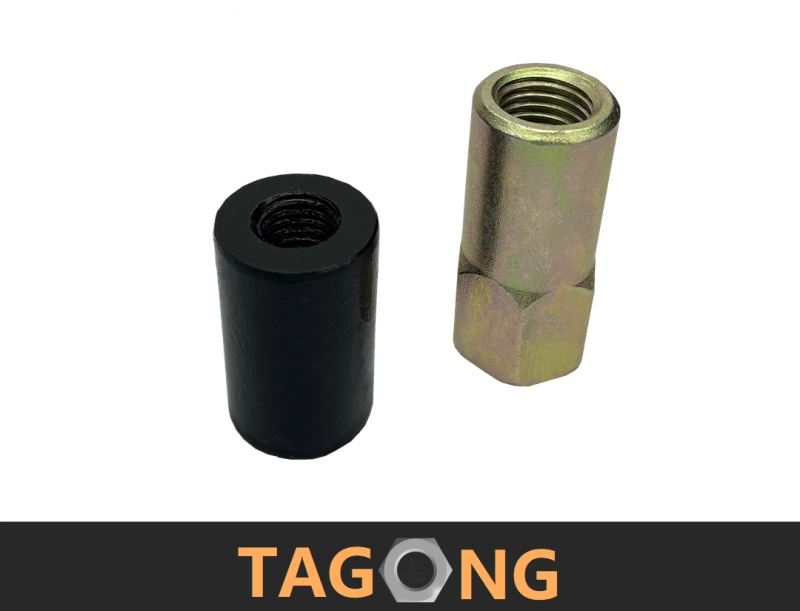
Railway fasteners
RELEVANT INFORMATION
Understanding Wheel Nuts: A Key Component in Industrial Fastening
When it comes to industrial equipment and vehicles, wheel nuts are an essential component that should never be overlooked. These fasteners are primarily designed to secure wheels to axles, ensuring stability and safety during operation. Properly fitted and maintained wheel nuts prevent accidents, enhance performance, and extend the lifespan of equipment.
Wheel nuts come in various types, includin
2026-02-23
The Critical Importance of Yellow Zinc Plated Hex Nuts in Ensuring Structural Integrity
Table of Contents
Introduction to Yellow Zinc Plated Hex Nuts
Understanding Hex Nuts and Their Types
Why Yellow Zinc Plating Matters
Benefits of Yellow Zinc Plated Hex Nuts
Applications in Structural Engineering
Choosing the Right Yellow Zinc Plated Hex Nut
Installation Best Pra
2026-02-18
Understanding DIN6330 and ISO4033 High Nuts: Essential Components for U-bolts
---
In the realm of industrial equipment and components, fasteners play a pivotal role in ensuring the structural integrity and functionality of various applications. Among the essential fastener types are the DIN6330 and ISO4033 high nuts, which are particularly designed for use with U-bolts. Understanding their specifications, uses, and advantages can significantly enhance assembly processes and
2026-02-13