With over 38 years of experience, TAGONG is the expert in manufacturing standard fasteners and special fasteners
+86 15160779301
+86 18906098857

Understanding the Importance of Quality Wheel Nuts in Industrial Applications
2025-12-05
Understanding the Importance of Quality Wheel Nuts in Industrial Applications
Table of Contents
- What Are Wheel Nuts? Understanding Their Role
- Types of Wheel Nuts Used in Industry
- Why Quality Matters in Wheel Nuts
- Factors Affecting the Quality of Wheel Nuts
- How to Choose the Right Wheel Nuts for Industrial Applications
- The Impact of Quality Wheel Nuts on Safety
- Long-Term Performance and Cost-Effectiveness
- Common Mistakes in Wheel Nut Selection
- Frequently Asked Questions (FAQs)
What Are Wheel Nuts? Understanding Their Role
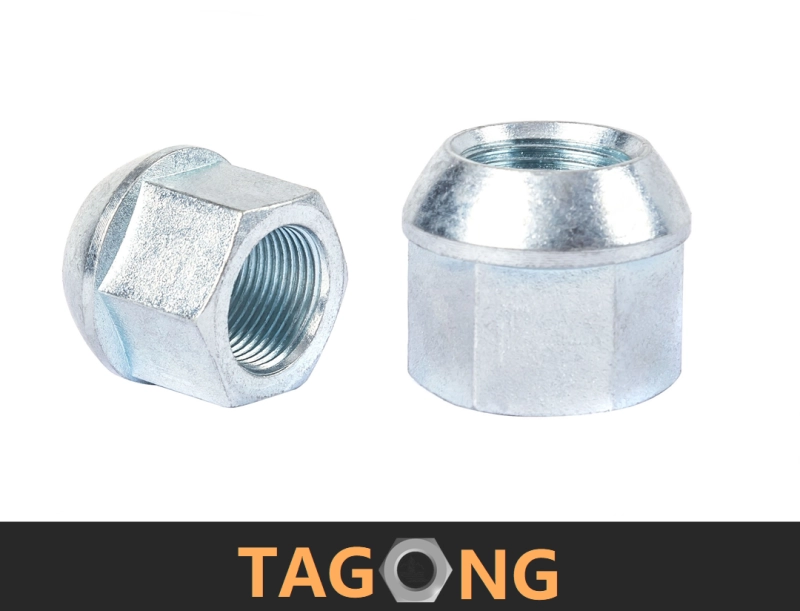
Wheel nuts are critical components in the assembly of wheels on vehicles, machinery, and various industrial equipment. They are designed to secure the wheel to the hub, ensuring that it remains in place during operation. Often made from high-strength materials, quality wheel nuts help distribute loads evenly, which is essential for maintaining vehicle stability and performance.
In industrial applications, wheel nuts are subjected to extreme conditions, including heavy loads, vibrations, and varying environmental factors. Understanding the specific requirements of these components is vital for selecting the appropriate wheel nuts for different uses and ensuring optimal performance in all circumstances.
Types of Wheel Nuts Used in Industry
There are several types of wheel nuts employed in industrial applications, each designed for specific purposes.
Hex Nuts
Hex nuts are the most commonly used type of wheel nut. Their six-sided shape allows for easy installation and removal with standard tools. They come in various sizes and materials, making them versatile for various applications.
Serrated Nuts
Serrated nuts have teeth or serrations on their bearing surface, which help prevent loosening due to vibration. These are particularly useful in high-vibration environments, contributing to enhanced safety and reliability.
Conical Nuts
Conical wheel nuts feature a tapered design that helps in ensuring a snug fit against the wheel. This design is particularly effective in distributing load and enhancing wheel stability.
Lock Nuts
Lock nuts contain a mechanism that prevents them from loosening once they are tightened. These are critical in applications where safety is paramount, such as in heavy machinery and transportation vehicles.
Why Quality Matters in Wheel Nuts
Quality wheel nuts are essential for several reasons:
Safety Assurance
Using high-quality wheel nuts significantly reduces the risk of wheel detachment, which can lead to catastrophic accidents. Ensuring the integrity of these components guarantees the safety of operators and surrounding personnel.
Performance Reliability
Quality wheel nuts are designed to withstand stress and strain without deforming or failing. This reliability is essential for maintaining the performance of vehicles and machinery, particularly in demanding industrial settings.
Cost Efficiency
Investing in quality wheel nuts can lead to cost savings in the long run. High-quality products reduce the likelihood of failures, thereby minimizing maintenance costs and downtime associated with repairs or replacements.
Factors Affecting the Quality of Wheel Nuts
Several factors influence the quality and reliability of wheel nuts:
Material Composition
The material used in manufacturing wheel nuts plays a significant role in their overall quality. High-strength alloys are preferred as they offer enhanced resistance to wear and corrosion.
Manufacturing Standards
Adhering to industry standards during the manufacturing process ensures that wheel nuts meet safety and performance specifications. Certifications from recognized standards organizations can serve as a benchmark for quality.
Design Features
The design of wheel nuts, including thread patterns, sizing, and locking mechanisms, can significantly impact their performance. Quality designs consider the specific applications and potential stresses faced in industrial environments.
How to Choose the Right Wheel Nuts for Industrial Applications
Selecting the appropriate wheel nuts is crucial for ensuring safety and performance. Here are important steps to consider:
Assess Application Requirements
Evaluate the specific requirements of your application, including load-bearing capacity, environmental conditions, and vibration levels. This assessment will help determine the necessary specifications for your wheel nuts.
Consider Material Quality
Choose wheel nuts made from high-quality materials resistant to corrosion and wear. Stainless steel and alloy steel are popular choices due to their durability.
Check Compatibility
Ensure that the wheel nuts are compatible with both the wheels and the vehicle or machinery they will be used with. Compatibility is essential for achieving a secure fit and optimal performance.
Consult Supplier Specifications
Work with reputable suppliers who provide detailed specifications and certifications for their products. This transparency ensures that you are getting high-quality wheel nuts that meet industrial standards.
The Impact of Quality Wheel Nuts on Safety
The safety implications of using high-quality wheel nuts cannot be overstated. Inadequate or substandard wheel nuts can lead to wheel detachment, posing severe risks to operators and bystanders. Quality wheel nuts help maintain proper torque specifications, which is vital in preventing accidents.
Moreover, using quality locking mechanisms in wheel nuts can further enhance safety by preventing loosening due to vibrations and other forces encountered during operation. Regular inspection and maintenance of wheel nuts should also be practiced to ensure they remain in good condition over time.
Long-Term Performance and Cost-Effectiveness
Investing in quality wheel nuts is not merely a matter of safety; it also plays a significant role in long-term performance and cost-effectiveness. High-quality wheel nuts tend to have a longer lifespan, reducing the need for frequent replacements and repairs.
Routine maintenance and proper installation of quality wheel nuts can lead to fewer mechanical failures and breakdowns, ultimately contributing to greater operational efficiency and cost savings for businesses.
Common Mistakes in Wheel Nut Selection
When selecting wheel nuts for industrial applications, several common mistakes can be avoided:
Underestimating Load Requirements
Failing to consider the load requirements can lead to the selection of inadequate wheel nuts, increasing the risk of failure. Always evaluate the load capacity needed before making a decision.
Ignoring Environmental Factors
Neglecting to account for environmental factors such as moisture, chemicals, and temperature can lead to premature wear and failure. Choose materials that can withstand the specific conditions of your application.
Overlooking Maintenance
Assuming that quality wheel nuts do not require maintenance is a mistake. Regularly inspect and maintain wheel nuts to ensure their performance and safety over time.
Frequently Asked Questions (FAQs)
1. What are the signs of a failing wheel nut?
Common signs of a failing wheel nut include unusual noises, vibration, and visible rust or wear. Regular inspection can help identify these issues early.
2. Can I use different types of wheel nuts interchangeably?
It is not advisable to use different types of wheel nuts interchangeably, as each type is designed for specific applications and load conditions.
3. How often should wheel nuts be inspected?
Wheel nuts should be inspected regularly, particularly in high-stress applications. A good rule of thumb is to check them at least every 6 months or before major operations.
4. What material is best for wheel nuts in industrial settings?
High-strength steel alloys are generally the best choice for wheel nuts in industrial applications due to their durability and resistance to wear.
5. How can I ensure proper installation of wheel nuts?
To ensure proper installation, follow manufacturer guidelines for torque specifications and use a calibrated torque wrench. Regular checks will confirm that they remain tight over time.
Conclusion
Understanding the importance of quality wheel nuts in industrial applications is vital for ensuring safety, reliability, and cost-effectiveness. By considering factors such as material quality, design features, and environmental conditions, businesses can make informed choices that significantly impact operational efficiency and safety. Regular maintenance and inspections further enhance the performance of these critical components, ensuring that industrial vehicles and machinery operate smoothly and securely. Investing in quality wheel nuts is a proactive measure that pays dividends in the long run, safeguarding both personnel and equipment while enhancing overall productivity.
Wheel nuts
RELEVANT INFORMATION
Understanding the Importance of Quality Wheel Nuts in Industrial Applications
2025-12-05
Understanding Yellow Zinc Plated Hex Nuts: Essential Components for Industrial Applications
2025-11-30

Understanding DIN6330 High Nuts: The Perfect Choice for U-Bolts
2025-11-25
JINJIANG TAGONG HARDWARE FORGING MANUFACTURER.

Established in 1985,60,000 square meters state-of-the-art manufacturing facility founded in Jinjiang city has a large capacity to produce specialty fasteners to our customer's unique specifications, and drawings.
Contact Us
201, 2nd Floor, No. 18, Sun Le'an District, Tatou, Dongshi Town, Jinjiang City, Fujian Province, China