With over 40 years of experience, TAGONG is the expert in manufacturing standard fasteners and special fasteners
+86 15859750876
+86 13599720777


这里是标题一h1占位文字
The Science Behind Flange Nut Design and Functionality: A Comprehensive Guide
2025-12-15
The Science Behind Flange Nut Design and Functionality
Introduction to Flange Nuts
Flange nuts are integral components used in various industrial applications, primarily known for their unique design that enhances performance in fastening systems. These nuts provide increased load-bearing capabilities and improved resistance against loosening. To understand their significance, we must delve into the science behind their design and functionality.
What is a Flange Nut?
A flange nut features a wider base that comes with an integrated flange, allowing it to distribute the load more evenly across the surface it is fastened to. This design minimizes the risk of damage to the components being joined. Flange nuts are widely used in construction, automotive, and machinery applications due to their effectiveness in providing secure and stable connections.
Key Features of Flange Nuts
The design of flange nuts includes several critical characteristics:
- **Integrated Flange**: The flange provides an increased surface area, which helps to prevent the nut from loosening under vibration or torque.
- **Load Distribution**: The broad base of the flange nut allows for better load distribution, reducing the chances of deformation in the materials being fastened.
- **Material Options**: Flange nuts are available in various materials, including steel, stainless steel, and plastic, each suited for different environmental conditions and load requirements.
Types of Flange Nuts
Understanding the types of flange nuts available is crucial for selecting the right one for your application. Here are the most common types:
1. Standard Flange Nuts
These are the most common flange nuts, characterized by a flat flange. They are versatile and can be used in a variety of applications.
2. Serrated Flange Nuts
Serrated flange nuts have teeth on the underside of the flange, providing extra grip. This feature is particularly useful in high-vibration environments, as it helps prevent the nut from loosening.
3. Locking Flange Nuts
Locking flange nuts incorporate additional mechanisms to enhance their resistance to loosening. They are ideal for applications where vibration is a concern.
The Engineering Behind Flange Nut Design
The design of flange nuts is a result of extensive engineering principles aimed at improving durability, performance, and ease of use. Several aspects contribute to their effectiveness:
Material Science
The choice of material is vital in flange nut design. Different materials offer varying levels of strength, corrosion resistance, and thermal stability. For instance, stainless steel flange nuts are preferred in environments prone to moisture, while carbon steel nuts are favored for their high strength-to-weight ratio.
Load Distribution Mechanics
The unique shape of flange nuts aids in load distribution. When a bolt is tightened, the flange spreads the load over a larger area, reducing stress concentrations. This design feature is critical in preventing material failure, especially in high-stress applications.
Impact of Flange Design on Performance
The flange design directly affects the performance of the nut in real-world applications. A well-designed flange nut can withstand significant forces without loosening, making it ideal for use in heavy machinery, automotive systems, and structural assemblies.
Applications of Flange Nuts
Flange nuts are widely utilized across various industries due to their reliability and performance. Here are some key applications:
1. Automotive Industry
In the automotive sector, flange nuts are used in engine assemblies, body structures, and suspension systems. Their ability to withstand vibrations ensures that critical components remain securely attached.
2. Construction
In construction, flange nuts are employed in steel structures, where they provide secure connections that can bear heavy loads. Their load distribution capabilities help maintain the structural integrity of buildings and bridges.
3. Machinery and Equipment
Flange nuts are common in heavy machinery, where they ensure that parts remain fixed during operation. This application is crucial in preventing downtime and ensuring safety.
4. Aerospace Applications
In aerospace, where safety and performance are paramount, flange nuts are used to secure various components of aircraft. Their reliability is vital for the performance of critical systems.
Maintenance and Installation of Flange Nuts
Proper installation and maintenance of flange nuts are crucial for ensuring optimal performance and longevity.
Installation Best Practices
- **Torque Specifications**: Always adhere to the manufacturer’s torque specifications to ensure proper clamping force.
- **Surface Preparation**: Ensure that the surfaces being joined are clean and free of debris to avoid compromising the effectiveness of the flange nut.
Maintenance Tips
- **Regular Inspections**: Regularly inspect flange nuts for signs of wear or corrosion, especially in harsh environments.
- **Re-torquing**: In applications prone to vibrations, consider re-torquing the nuts periodically to maintain secure connections.
Understanding the Cost of Flange Nuts
When selecting flange nuts, cost considerations are essential. While opting for the cheapest option may seem attractive, the total cost of ownership includes durability, performance, and safety implications. Investing in high-quality flange nuts can lead to long-term savings by reducing maintenance needs and enhancing the reliability of your assemblies.
Factors Influencing Cost
- **Material**: Premium materials like stainless steel or specialized alloys will naturally cost more than standard carbon steel.
- **Manufacturing Process**: The complexity of the manufacturing process can also impact the price. Custom or precision-engineered flange nuts may come at a premium.
- **Volume**: Bulk purchasing can often result in cost savings, making it advantageous for larger projects.
Frequently Asked Questions (FAQs)
1. What is the primary function of a flange nut?
The primary function of a flange nut is to provide a secure fastening solution that distributes load evenly across the connected surfaces, thus enhancing the stability of the assembly.
2. How do I choose the right flange nut for my application?
Choosing the right flange nut depends on factors such as load requirements, environmental conditions, and the materials being joined. It’s essential to consider these factors to select the most suitable nut.
3. Can flange nuts be reused?
Flange nuts can generally be reused if they show no signs of wear or damage. However, it is essential to inspect them before reuse to ensure safety and reliability.
4. What applications are best suited for serrated flange nuts?
Serrated flange nuts are ideal for applications that experience high levels of vibration, such as automotive and heavy machinery, as their design helps to prevent loosening.
5. Are there any environmental considerations for flange nuts?
Yes, environmental factors such as moisture, heat, and chemicals can affect the performance of flange nuts. Selecting the appropriate material based on environmental conditions is crucial for ensuring longevity.
Conclusion
Understanding the science behind flange nut design and functionality is essential for anyone involved in industrial applications. These fasteners play a critical role in ensuring safety and performance across multiple sectors. By recognizing the various types of flange nuts, their applications, and the importance of proper installation and maintenance, one can make informed decisions that enhance the durability and reliability of mechanical assemblies. Investing time in understanding these components will yield significant benefits in terms of performance, safety, and cost-effectiveness in the long run.
Flange nuts
RELEVANT INFORMATION

Understanding Wheel Nuts: A Key Component in Industrial Fastening
2026-02-23

The Critical Importance of Yellow Zinc Plated Hex Nuts in Ensuring Structural Integrity
2026-02-18
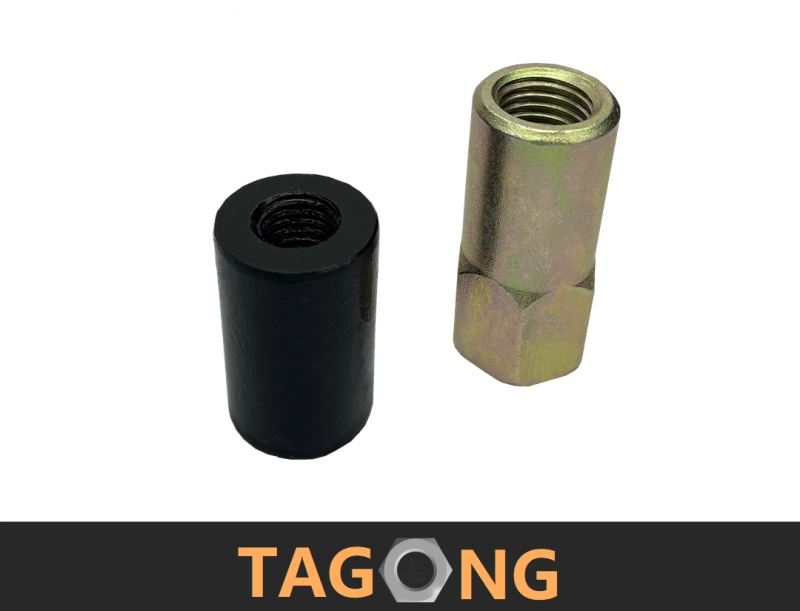
Understanding DIN6330 and ISO4033 High Nuts: Essential Components for U-bolts
2026-02-13

JINJIANG TAGONG HARDWARE FORGING MANUFACTURER.

Established in 1985,60,000 square meters state-of-the-art manufacturing facility founded in Jinjiang city has a large capacity to produce specialty fasteners to our customer's unique specifications, and drawings.
Contact Us
+86 15859750876 / +86 13599720777
No. 58, XUNKENG DISTRICT, SANKENG VILLAGE,JINJING TOWN,JINJIANG,FUJIAN ,CHINA