With over 38 years of experience, TAGONG is the expert in manufacturing standard fasteners and special fasteners
+86 15859750876
+86 13599720777


Why Railway Fasteners are Critical for Safety and Efficiency
2026-01-08
Why Railway Fasteners are Critical for Safety and Efficiency
Table of Contents
1. Introduction to Railway Fasteners
2. Understanding the Types of Railway Fasteners
2.1. Bolts and Nuts
2.2. Washers
2.3. Clips and Pins
3. The Role of Railway Fasteners in Safety
3.1. Ensuring Structural Integrity
3.2. Preventing Accidents and Failures
4. The Impact of Fasteners on Efficiency
4.1. Facilitating Smooth Operations
4.2. Reducing Maintenance Downtime
5. Material Considerations for Railway Fasteners
5.1. Strength and Durability
5.2. Corrosion Resistance
6. Standards and Regulations Governing Railway Fasteners
7. Best Practices for Choosing Railway Fasteners
8. FAQs about Railway Fasteners
9. Conclusion
1. Introduction to Railway Fasteners
Railway fasteners are pivotal components that ensure the stability and safety of railway systems. These essential elements keep tracks, rolling stock, and other critical infrastructure securely in place. Given the high stakes involved in railway transportation, understanding the significance of these fasteners is crucial for manufacturers, engineers, and safety regulators.
2. Understanding the Types of Railway Fasteners
Railway fasteners come in various forms, each specifically designed to meet different operational needs. Below, we explore some of the most common types.
2.1. Bolts and Nuts
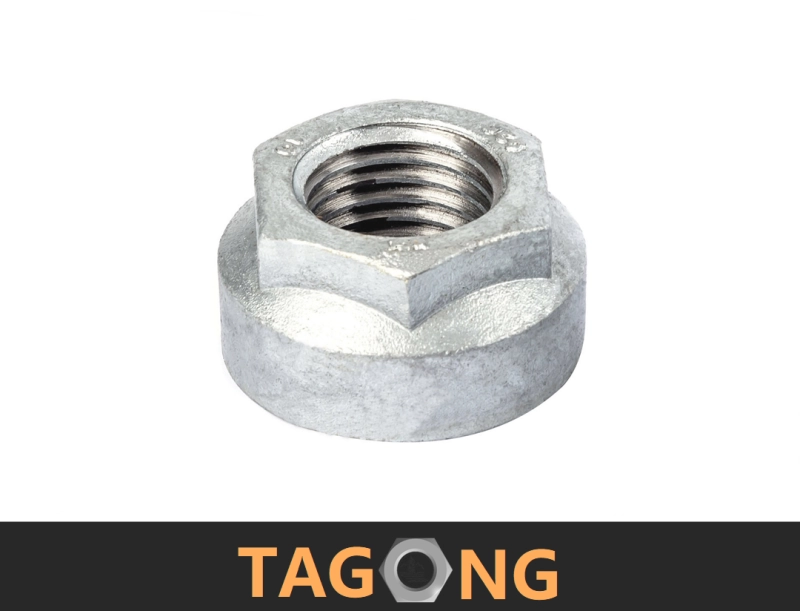
Bolts and nuts are fundamental fasteners used in railways to connect two or more components. Their ability to maintain a secure connection under heavy loads makes them indispensable in ensuring safety and efficiency.
2.2. Washers
Washers distribute the load of the fastener and prevent damage to the surface being fastened. They are critical in maintaining the integrity of the connection over time.
2.3. Clips and Pins
Clips and pins are often used to secure components temporarily. They are vital in applications where quick changes or adjustments are necessary, contributing to the overall efficiency of railway operations.
3. The Role of Railway Fasteners in Safety
Safety is paramount in railway operations, and fasteners play a crucial role in maintaining the structural integrity of the entire system.
3.1. Ensuring Structural Integrity
Fasteners uphold the structure of railway tracks and connections, ensuring that trains can traverse the route safely. Any failure in the fasteners can lead to catastrophic accidents.
3.2. Preventing Accidents and Failures
Regular inspections and maintenance of railway fasteners help identify wear and tear, preventing potential failures that could result in accidents. Properly installed and maintained fasteners are essential for minimizing risk.
4. The Impact of Fasteners on Efficiency
Efficient operations are critical in the railway industry, and fasteners contribute significantly to this aspect.
4.1. Facilitating Smooth Operations
Fasteners allow for quick assembly and disassembly of components, enabling efficient repairs and modifications to railway systems. This flexibility enhances overall operational efficiency.
4.2. Reducing Maintenance Downtime
Fasteners designed for easy access and maintenance can significantly reduce downtime, allowing for quicker repairs and replacements. This efficiency translates to better service delivery and reliability in train schedules.
5. Material Considerations for Railway Fasteners
The materials used for railway fasteners significantly influence their performance and longevity.
5.1. Strength and Durability
Railway fasteners must be strong enough to withstand dynamic loads, vibrations, and environmental stressors. High-quality materials ensure longevity and reliability.
5.2. Corrosion Resistance
Fasteners exposed to outdoor conditions require materials that resist corrosion. Stainless steel and other coated fasteners are often used to enhance durability and performance.
6. Standards and Regulations Governing Railway Fasteners
Various industry standards and regulations dictate the specifications and performance criteria for railway fasteners. Compliance with these standards ensures safety and reliability throughout railway operations.
7. Best Practices for Choosing Railway Fasteners
When selecting railway fasteners, consider factors such as load capacity, environmental conditions, and maintenance requirements. Consulting with industry experts can also provide valuable insights.
8. FAQs about Railway Fasteners
What are the most common types of railway fasteners?
The most common types include bolts, nuts, washers, and clips.
How do railway fasteners contribute to safety?
They maintain structural integrity and prevent accidents by ensuring secure connections.
What materials are best for railway fasteners?
Materials should be strong and corrosion-resistant, such as stainless steel.
How often should railway fasteners be inspected?
Regular inspections are recommended, ideally on a scheduled basis aligned with maintenance protocols.
What regulations govern railway fasteners?
Regulations vary by region but generally include industry standards for safety and performance.
9. Conclusion
Railway fasteners play a critical role in maintaining the safety and efficiency of railway systems. Understanding the types, materials, and best practices for selecting and maintaining these fasteners is essential for anyone involved in railway operations. By investing in quality fasteners and adhering to industry standards, railway companies can ensure safer and more efficient transportation for everyone.
Railway fasteners
RELEVANT INFORMATION
Understanding Flange Nuts: Essential Components for Secure Connections
2026-01-13

Why Railway Fasteners are Critical for Safety and Efficiency
2026-01-08

Why Choose Yellow Zinc Plated Hex Nuts for Enhanced Durability: An In-Depth Guide
2025-12-29

JINJIANG TAGONG HARDWARE FORGING MANUFACTURER.

Established in 1985,60,000 square meters state-of-the-art manufacturing facility founded in Jinjiang city has a large capacity to produce specialty fasteners to our customer's unique specifications, and drawings.
Contact Us
201, 2nd Floor, No. 18, Sun Le'an District, Tatou, Dongshi Town, Jinjiang City, Fujian Province, China