With over 40 years of experience, TAGONG is the expert in manufacturing standard fasteners and special fasteners
+86 15859750876
+86 13599720777


这里是标题一h1占位文字
Understanding Flange Nuts: Essential Components for Reliable Connections
2025-11-20
One of the key benefits of flange nuts is their ability to distribute the load over a larger area. This characteristic is particularly advantageous when working with softer materials, where traditional nuts might dig in and cause damage. By providing a secure grip without compromising the integrity of the connecting material, flange nuts are essential in ensuring safe and stable assemblies.
Additionally, flange nuts often have a variety of thread types and sizes, allowing for versatile applications. They can be used with standard bolts, providing compatibility across a multitude of projects. This adaptability makes them a favorite among engineers and technicians who require dependable fastening solutions in diverse settings.
Another aspect of flange nuts that deserves mention is their resistance to loosening. The increased surface area of the flange can significantly improve the nut's grip on the bolt. This feature is especially important in environments where vibrations are common, such as in automotive and heavy machinery applications. When components experience movement, standard nuts may come loose over time, while flange nuts remain securely in place, enhancing overall safety.
When selecting flange nuts for a specific application, it is vital to consider factors such as the material, corrosion resistance, and size. Flange nuts are available in various materials, including steel, stainless steel, and nylon, each offering different levels of strength and corrosion resistance. Choosing the right flange nut can significantly influence the longevity and effectiveness of the assembly.
In conclusion, flange nuts are indispensable components in the field of fastening technology. Their unique design and advantages make them suitable for a wide range of industrial applications. By understanding their features and benefits, you can make informed decisions about the best fastening solutions for your projects. Whether you're working with heavy machinery or delicate components, flange nuts provide the reliability and performance needed to achieve optimal results.
Flange nuts
RELEVANT INFORMATION

Understanding Wheel Nuts: A Key Component in Industrial Fastening
2026-02-23

The Critical Importance of Yellow Zinc Plated Hex Nuts in Ensuring Structural Integrity
2026-02-18
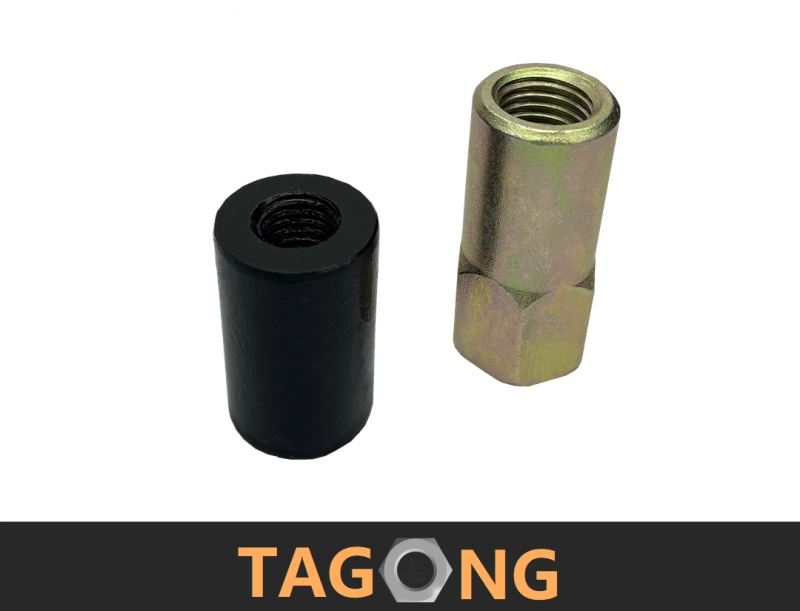
Understanding DIN6330 and ISO4033 High Nuts: Essential Components for U-bolts
2026-02-13

JINJIANG TAGONG HARDWARE FORGING MANUFACTURER.

Established in 1985,60,000 square meters state-of-the-art manufacturing facility founded in Jinjiang city has a large capacity to produce specialty fasteners to our customer's unique specifications, and drawings.
Contact Us
+86 15859750876 / +86 13599720777
No. 58, XUNKENG DISTRICT, SANKENG VILLAGE,JINJING TOWN,JINJIANG,FUJIAN ,CHINA