With over 40 years of experience, TAGONG is the expert in manufacturing standard fasteners and special fasteners
+86 15859750876
+86 13599720777


这里是标题一h1占位文字
Exploring the Essential Role of Railway Fasteners in Modern Transport
2025-11-15
Exploring the Essential Role of Railway Fasteners in Modern Transport
Introduction to Railway Fasteners
Railways are a cornerstone of modern transport, facilitating the movement of goods and passengers across vast distances. At the heart of this intricate system lie railway fasteners—crucial components that ensure structural integrity and operational efficiency. Understanding the role and significance of these fasteners is essential for anyone involved in railway construction, maintenance, or innovation.
The Functionality of Railway Fasteners
Railway fasteners serve multiple purposes, ranging from securing tracks to maintaining the overall structural framework of rail systems. These components are designed to withstand extreme conditions, including heavy loads, vibrations, and environmental factors.
Types of Railway Fasteners
There are several types of railway fasteners, each tailored for specific functions within the rail system.
1. Rail Clips
Rail clips are essential for holding the rails in place and preventing lateral movement. Available in various designs, they provide the necessary tension to keep the rail secure.
2. Bolts and Nuts
Bolts and nuts are fundamental fasteners used to join two or more components securely. They are critical for connecting rail sections and ensuring that they remain stable under dynamic loads.
3. Tie Plates
Tie plates distribute the load of the rail over the sleepers, enhancing the stability and longevity of the railway track. They also facilitate the attachment of the rail to the sleeper.
4. Spacers and Washers
Spacers maintain the correct spacing between rails and other components, while washers are used to distribute the load of bolts and prevent loosening due to vibration.
5. Anchor Bolts
Anchor bolts are crucial for securing the track to the foundation, preventing movement caused by train vibrations and external forces.
The Importance of Railway Fasteners in Safety and Reliability
Safety is paramount in railway transport. Railway fasteners play a vital role in ensuring that train operations are safe and reliable. A failure in any fastener can lead to catastrophic accidents, making their quality and maintenance essential.
Quality Standards for Railway Fasteners
To maintain safety and reliability, railway fasteners must meet stringent quality standards. Regulatory bodies establish these standards, ensuring that all fasteners are manufactured to withstand specific stress and environmental conditions.
Innovations in Railway Fasteners
With advancements in technology, railway fasteners have evolved significantly. Modern fasteners are designed using high-strength materials and innovative engineering techniques. This evolution enhances their performance and durability, reducing the need for frequent maintenance.
Sustainability and Environmental Considerations
As the world shifts towards more sustainable practices, railway fasteners are also undergoing changes to minimize their environmental impact.
Materials Used in Modern Fasteners
The choice of materials for railway fasteners is crucial for both performance and sustainability. Manufacturers are increasingly turning to recycled materials and corrosion-resistant alloys to reduce environmental footprints while ensuring longevity.
Recycling and Reusability of Fasteners
The reusability of railway fasteners not only conserves resources but also reduces waste. Implementing recycling programs for old fasteners ensures that these components can be reused in new applications, promoting a circular economy within the railway industry.
Maintenance Practices for Railway Fasteners
Regular maintenance of railway fasteners is vital for ensuring safety and performance.
Inspection Procedures
Routine inspections help identify wear and tear in fasteners. Using advanced technologies such as ultrasonic testing, maintenance crews can detect flaws before they compromise safety.
Replacement and Repair Strategies
When fasteners show signs of fatigue or damage, timely replacement is critical. Developing effective repair strategies can extend the life of railway components and enhance overall system reliability.
The Economic Impact of Railway Fasteners
Railway fasteners are not only essential for safety; they also play a significant role in the economics of rail transport.
Cost Efficiency in Fastener Manufacturing
Investing in high-quality railway fasteners can lead to long-term savings. While initial costs may be higher, the durability and reduced maintenance needs of premium fasteners often outweigh the upfront investment.
Impact on Overall Rail Infrastructure Costs
Efficient fasteners lead to lower overall rail infrastructure costs. By minimizing track maintenance and enhancing the lifespan of rail systems, railway operators can allocate resources more effectively.
Global Perspectives on Railway Fasteners
Different countries have unique needs and standards for railway fasteners, influenced by their specific rail systems and operational requirements.
Comparative Analysis of Fastener Standards Worldwide
Examining international standards for railway fasteners reveals varying approaches to manufacturing and quality assurance. Understanding these differences can inform best practices for manufacturers and operators.
Case Studies from Leading Rail Networks
Several case studies illustrate how effective fastener management has improved safety and efficiency in global rail networks. These examples highlight innovative practices and successful implementations that can be modeled by other operators.
Future Trends in Railway Fasteners
The future of railway fasteners is poised for exciting advancements.
Smart Fastener Technologies
Integrating smart technologies into railway fasteners could revolutionize maintenance practices. Sensors embedded in fasteners can monitor their condition in real-time, allowing for proactive maintenance and enhanced safety.
Emerging Materials and Design Innovations
Ongoing research into new materials and design methodologies promises to produce faster, lighter, and stronger fasteners. As demands for efficiency and sustainability grow, the railway industry must adapt accordingly.
Conclusion
The significance of railway fasteners in modern transport cannot be overstated. These small yet mighty components ensure the safety, reliability, and efficiency of rail systems worldwide. As the industry continues to evolve, investing in high-quality fasteners and embracing innovative practices will be crucial for the future of railway transport. By understanding their role and maintaining rigorous standards, we can enhance the performance of railway networks while promoting sustainability and economic efficiency.
Railway fasteners
RELEVANT INFORMATION

Understanding Wheel Nuts: A Key Component in Industrial Fastening
2026-02-23

The Critical Importance of Yellow Zinc Plated Hex Nuts in Ensuring Structural Integrity
2026-02-18
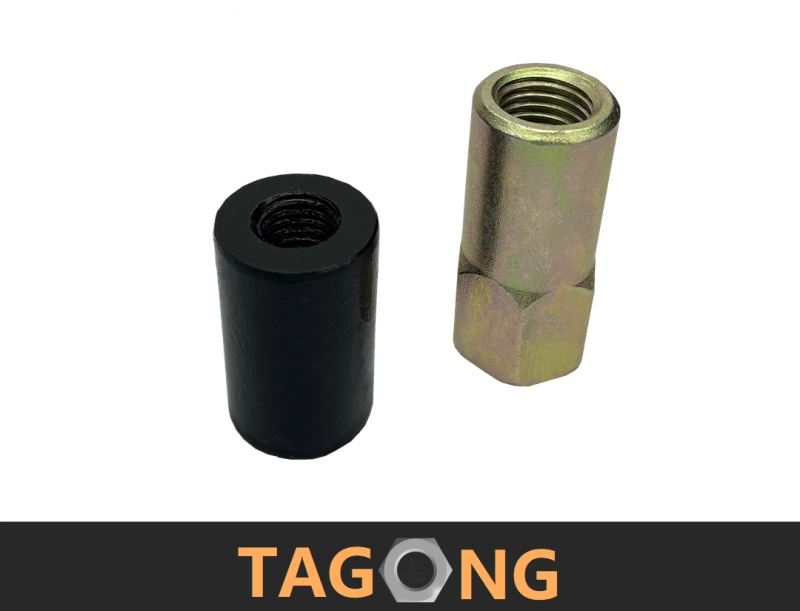
Understanding DIN6330 and ISO4033 High Nuts: Essential Components for U-bolts
2026-02-13

JINJIANG TAGONG HARDWARE FORGING MANUFACTURER.

Established in 1985,60,000 square meters state-of-the-art manufacturing facility founded in Jinjiang city has a large capacity to produce specialty fasteners to our customer's unique specifications, and drawings.
Contact Us
+86 15859750876 / +86 13599720777
No. 58, XUNKENG DISTRICT, SANKENG VILLAGE,JINJING TOWN,JINJIANG,FUJIAN ,CHINA