With over 40 years of experience, TAGONG is the expert in manufacturing standard fasteners and special fasteners
+86 15859750876
+86 13599720777


这里是标题一h1占位文字
Comparing Yellow Zinc Nuts to Other Coating Options for Auto Parts
2025-04-24
Comparing Yellow Zinc Nuts to Other Coating Options for Auto Parts
Table of Contents
- 1. Introduction to Fasteners in Automotive Applications
- 2. Importance of Coatings for Auto Parts
- 3. Understanding Yellow Zinc Nuts
- 4. Other Coating Options for Auto Parts
- 5. Comparative Analysis: Yellow Zinc vs. Other Coatings
- 6. Application Considerations for Selecting Coatings
- 7. Maintenance and Care for Coated Nuts
- 8. Conclusion
- 9. FAQs
1. Introduction to Fasteners in Automotive Applications
In the automotive industry, the reliability and performance of vehicles significantly hinge on the fasteners used in assembly. Among these, nuts are crucial components that ensure all parts stay securely connected. Selecting the right coating for these nuts can enhance their functionality. This article focuses on the comparison of **yellow zinc nuts** with other coating options available in the market, exploring their unique attributes and suitability for various automotive applications.
2. Importance of Coatings for Auto Parts
Coatings play a pivotal role in enhancing the performance and longevity of auto parts. They serve as a barrier against environmental factors such as moisture, salt, and chemicals that can cause corrosion. The right coating not only improves the aesthetic appeal of nuts and bolts but also ensures optimal performance under various operating conditions. The automotive industry looks for coatings that offer durability, ease of application, and cost-effectiveness.
3. Understanding Yellow Zinc Nuts
Yellow zinc nuts are fasteners coated with a layer of yellow zinc, providing a distinctive appearance along with functional benefits. This section examines what yellow zinc is and the benefits of using yellow zinc nuts in automotive applications.
3.1 What is Yellow Zinc?
Yellow zinc is an electroplated finish that involves the application of zinc to steel parts through an electrolytic process. This coating results in a bright, glossy yellow appearance, enhancing both cosmetic appeal and protective qualities. The zinc layer acts as a sacrificial anode, which means that it will corrode before the underlying steel does, thus protecting against rust and degradation.
3.2 Benefits of Yellow Zinc Nuts
Yellow zinc nuts offer several compelling advantages:
- **Corrosion Resistance**: The zinc coating provides excellent protection against corrosion, ensuring that the nuts remain functional even in harsh environments.
- **Aesthetic Appeal**: The bright yellow finish enhances the visual aspect of automotive components, making vehicles look polished and well-maintained.
- **Cost-Effectiveness**: Compared to other high-end coatings, yellow zinc nuts are relatively affordable, making them a popular choice among manufacturers.
- **Ease of Application**: The electroplating process is efficient and can be applied uniformly over complex geometries.
4. Other Coating Options for Auto Parts
While yellow zinc nuts are advantageous, other coating options are also available, each presenting unique traits and suitability for specific applications. This section explores some of the most common alternatives.
4.1 Galvanized Nuts
Galvanized nuts are coated with a thick layer of zinc through hot-dip galvanizing. This method provides robust corrosion resistance and is ideal for outdoor applications where exposure to moisture is prevalent. However, galvanized coatings can be more expensive and may present issues such as coating flaking under stress.
4.2 Black Oxide Nuts
Black oxide nuts undergo a chemical process that creates a thin layer of magnetite on the surface. While they offer good corrosion resistance and a sleek aesthetic, they are less durable than zinc coatings and may require additional oil coatings to enhance their protective properties.
4.3 Powder Coated Nuts
Powder coating involves applying a dry powder that is then cured under heat. This process results in a durable, thick finish that provides excellent protection against corrosion and wear. However, the application process is more complicated, and the coatings can be more expensive than yellow zinc.
5. Comparative Analysis: Yellow Zinc vs. Other Coatings
To help you understand the strengths and weaknesses of yellow zinc nuts compared to other coating options, we present a comparative analysis highlighting key factors such as corrosion resistance, durability, and cost.
| Coating Type | Corrosion Resistance | Durability | Aesthetic Appeal | Cost |
|---|---|---|---|---|
| Yellow Zinc | High | Moderate | Bright, glossy | Low |
| Galvanized | Very High | High | Rough, less shiny | Medium |
| Black Oxide | Moderate | Low | Sleek, matte | Medium |
| Powder Coated | High | Very High | Varied colors | High |
6. Application Considerations for Selecting Coatings
Choosing the right coating for nuts and fasteners in automotive applications involves evaluating various factors:
- **Environmental Conditions**: Consider factors such as humidity, exposure to chemicals, and temperature variations.
- **Mechanical Requirements**: Assess the load-bearing capacity and mechanical stresses the nuts will experience.
- **Aesthetics**: Depending on the vehicle design, the aesthetic appeal of the fastener might be significant.
- **Cost-Effectiveness**: Balance the benefits against the budget constraints of the project.
7. Maintenance and Care for Coated Nuts
Proper maintenance of coated nuts can prolong their lifespan and functionality. Here are key maintenance tips:
- **Regular Inspection**: Periodically check for signs of corrosion, wear, or damage.
- **Cleaning**: Use non-abrasive cleaners to remove dirt or grime without damaging the coating.
- **Replacement**: Replace any nuts that show significant wear or corrosion to prevent mechanical failure.
8. Conclusion
Selecting the appropriate nuts and fasteners for automotive applications is critical to ensuring the performance and safety of vehicles. Yellow zinc nuts stand out for their corrosion resistance, cost-effectiveness, and visual appeal. However, alternatives like galvanized, black oxide, and powder-coated nuts offer their own unique advantages that might be more suited to specific applications. Evaluating the specific needs of your project against these alternatives will help you make informed decisions that enhance the longevity and reliability of your auto parts.
9. FAQs
**Q1: What is the primary benefit of using yellow zinc nuts?**
A1: The primary benefit of yellow zinc nuts is their excellent corrosion resistance, which helps to protect underlying metal from rust and degradation.
**Q2: Are galvanized nuts better than yellow zinc nuts?**
A2: Galvanized nuts provide superior corrosion resistance, especially in harsh environments, but they may not offer the same aesthetic appeal as yellow zinc nuts.
**Q3: Can black oxide nuts be used in outdoor applications?**
A3: While black oxide nuts can resist some corrosion, they are generally not recommended for outdoor applications without additional protective measures.
**Q4: How does powder coating differ from electroplating?**
A4: Powder coating involves a thick application of dry powder that is cured with heat, while electroplating, as with yellow zinc, involves depositing a thin layer of zinc onto the surface through an electrolytic process.
**Q5: What factors should I consider when selecting fasteners for my automotive projects?**
A5: Key factors include environmental conditions, mechanical requirements, aesthetic considerations, and overall cost-effectiveness.
By addressing these elements in detail, we hope to provide clarity and assistance in your quest for the best fasteners for your automotive needs.
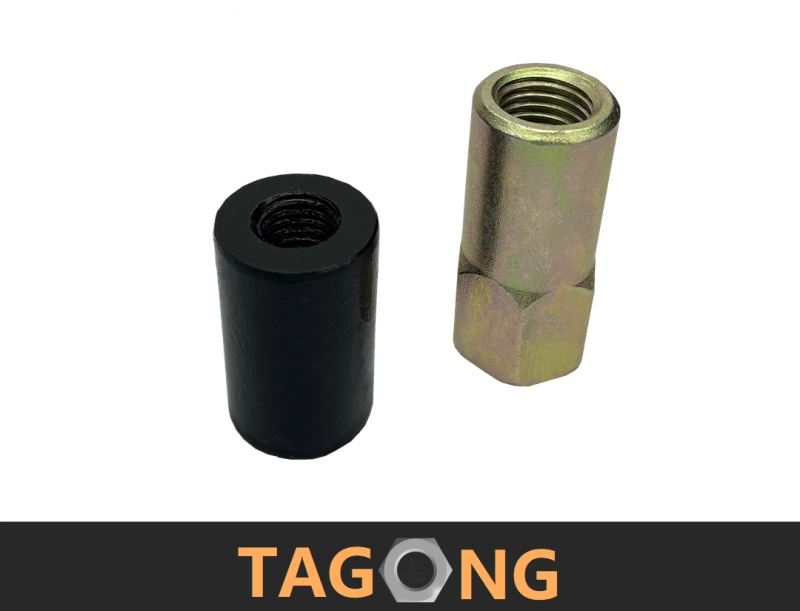
Yellow Zinc Nuts DIN74361 Auto Parts
RELEVANT INFORMATION

Understanding Wheel Nuts: A Key Component in Industrial Fastening
2026-02-23

The Critical Importance of Yellow Zinc Plated Hex Nuts in Ensuring Structural Integrity
2026-02-18
Understanding DIN6330 and ISO4033 High Nuts: Essential Components for U-bolts
2026-02-13

JINJIANG TAGONG HARDWARE FORGING MANUFACTURER.

Established in 1985,60,000 square meters state-of-the-art manufacturing facility founded in Jinjiang city has a large capacity to produce specialty fasteners to our customer's unique specifications, and drawings.
Contact Us
+86 15859750876 / +86 13599720777
No. 58, XUNKENG DISTRICT, SANKENG VILLAGE,JINJING TOWN,JINJIANG,FUJIAN ,CHINA