With over 40 years of experience, TAGONG is the expert in manufacturing standard fasteners and special fasteners
+86 15859750876
+86 13599720777


这里是标题一h1占位文字
Common Mistakes to Avoid When Using Flange Nuts: A Comprehensive Guide
2026-02-08
Common Mistakes to Avoid When Using Flange Nuts
Table of Contents
- Introduction to Flange Nuts
- Understanding Flange Nuts
- Mistake 1: Ignoring Proper Torque Specifications
- Mistake 2: Using the Wrong Size Flange Nut
- Mistake 3: Neglecting to Inspect Flange Nuts
- Mistake 4: Incorrect Installation Techniques
- Mistake 5: Over-tightening and Under-tightening
- Mistake 6: Failing to Use Washers When Necessary
- Mistake 7: Not Considering Material Compatibility
- Conclusion
- FAQs About Flange Nuts
Introduction to Flange Nuts
Flange nuts are widely used in various engineering applications due to their unique design, which incorporates a washer-like flange. This feature helps distribute the load and prevents loosening over time. However, even seasoned professionals can make mistakes when using flange nuts, leading to safety hazards and increased maintenance costs. In this guide, we will examine the most common errors made with flange nuts and provide actionable tips to avoid them.
Understanding Flange Nuts
Flange nuts serve multiple purposes in industrial applications, offering benefits such as increased surface area and load distribution. Made from various materials, including steel, stainless steel, and plastic, these nuts are equipped for different environments. Understanding their design and functionality is crucial for effective and safe usage.
Mistake 1: Ignoring Proper Torque Specifications
One of the most critical yet frequently overlooked aspects of using flange nuts is adhering to the correct torque specifications during installation. Each flange nut has specific torque requirements that ensure optimal clamping force and prevent loosening over time. Ignoring these specifications can lead to mechanical failure, increased wear, and safety hazards.
When installing flange nuts, always refer to the manufacturer's guidelines for torque settings. Using a torque wrench ensures that the force applied is within the recommended range, reducing the risk of over-tightening or under-tightening.
Mistake 2: Using the Wrong Size Flange Nut
Selecting the appropriate size of flange nut for your application is critical. Many users make the mistake of using a flange nut that doesn’t match the bolt size, which can compromise the integrity of the assembly. A flange nut should fit snugly onto the bolt without excessive play.
To prevent this mistake, measure the diameter and thread pitch of the bolts you plan to use. Flange nuts come in various sizes and thread types, so make sure to consult relevant specifications before making a purchase.
Mistake 3: Neglecting to Inspect Flange Nuts
Flange nuts, like any other component, can wear out over time. Regular inspection is essential to maintaining the safety and performance of your machinery. Common signs of wear include cracks, corrosion, and deformation.
Before installation and during routine maintenance checks, inspect every flange nut for any signs of damage. Replacing worn or damaged nuts promptly can save you from significant issues down the line.
Mistake 4: Incorrect Installation Techniques
Improper installation techniques can lead to a host of problems, including misalignment and compromised clamping force. It's essential to follow the correct steps for installing flange nuts to ensure they perform optimally.
Start by aligning the bolt and nut properly, ensuring they are threaded correctly. Use hand tools to tighten initially, and then apply the correct torque as specified. Avoid using power tools unless you are experienced, as this can lead to over-tightening.
Mistake 5: Over-tightening and Under-tightening
Finding the right balance between over-tightening and under-tightening is a common challenge. Over-tightening can strip threads or even break the bolt, while under-tightening can lead to loosening and failure during operation.
Utilizing a torque wrench can help you achieve the correct torque level. Always start with a lower torque setting and gradually increase until you reach the recommended specification.
Mistake 6: Failing to Use Washers When Necessary
Although flange nuts are designed to provide better load distribution, there are situations where additional washers are necessary. Washers can help prevent damage to the surface being fastened and provide extra support.
In applications with soft materials or where vibration is a concern, consider using a washer to enhance the safety and longevity of your connection. Failing to do so can result in premature failure of the assembly.
Mistake 7: Not Considering Material Compatibility
Using flange nuts that are not compatible with the material of the bolt or the assembly can lead to galvanic corrosion, weakening the connection over time. For instance, using aluminum nuts with steel bolts can result in serious corrosion issues.
Always ensure that the materials used are compatible with one another. This consideration not only enhances performance but also extends the lifespan of your assembly.
Conclusion
Using flange nuts effectively requires attention to detail and adherence to best practices. By avoiding common mistakes such as ignoring torque specifications, selecting the wrong size, and neglecting inspections, you can significantly improve the reliability and safety of your applications. Always invest time in understanding the components you are working with and ensure compatibility and proper installation techniques for optimal performance.
FAQs About Flange Nuts
1. What are flange nuts used for?
Flange nuts are used to provide a secure fastening connection while distributing load over a larger surface area, which helps prevent loosening.
2. How do I choose the right flange nut for my application?
Select a flange nut that matches the bolt size and thread pitch, and consider the compatibility of materials to avoid corrosion.
3. Can I reuse flange nuts?
It’s generally not recommended to reuse flange nuts, especially if they show signs of wear or damage. Always inspect them before making a decision.
4. What tools do I need for installing flange nuts?
A torque wrench is essential for ensuring the correct torque specifications are met, and basic hand tools will help with the installation.
5. What should I do if a flange nut becomes stripped?
If a flange nut becomes stripped, it should be replaced immediately to maintain the integrity of the assembly. Consider using a new flange nut that fits correctly.
By keeping these insights in mind, you can enhance your knowledge and avoid the common pitfalls associated with flange nuts, ultimately leading to more successful and safe mechanical assemblies.
Flange nuts
RELEVANT INFORMATION

Understanding Wheel Nuts: A Key Component in Industrial Fastening
2026-02-23

The Critical Importance of Yellow Zinc Plated Hex Nuts in Ensuring Structural Integrity
2026-02-18
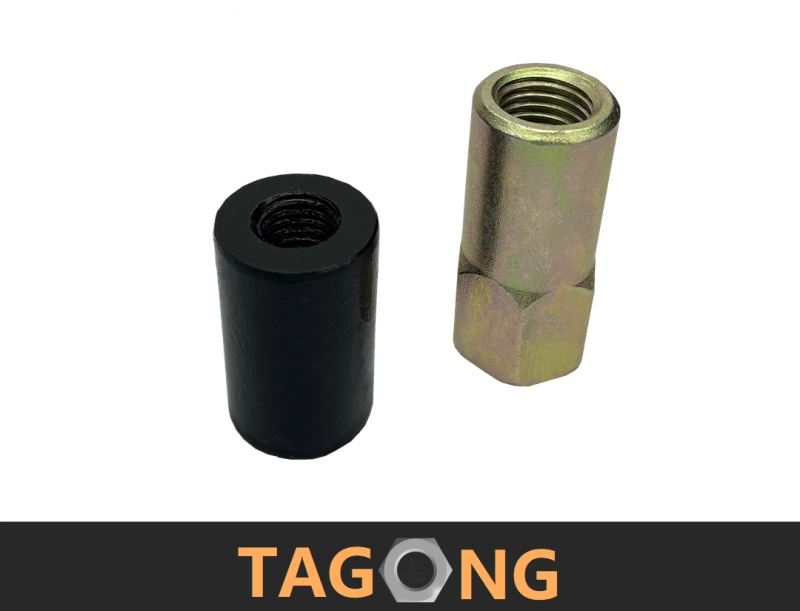
Understanding DIN6330 and ISO4033 High Nuts: Essential Components for U-bolts
2026-02-13

JINJIANG TAGONG HARDWARE FORGING MANUFACTURER.

Established in 1985,60,000 square meters state-of-the-art manufacturing facility founded in Jinjiang city has a large capacity to produce specialty fasteners to our customer's unique specifications, and drawings.
Contact Us
+86 15859750876 / +86 13599720777
No. 58, XUNKENG DISTRICT, SANKENG VILLAGE,JINJING TOWN,JINJIANG,FUJIAN ,CHINA