With over 38 years of experience, TAGONG is the expert in manufacturing standard fasteners and special fasteners
+86 15160779301
+86 18906098857
Understanding Railway Fasteners: The Unsung Heroes of Rail Infrastructure
2025-10-21
Railway fasteners are essential components in the construction and maintenance of railway systems. They serve the vital purpose of securing track elements, ensuring that trains run safely and efficiently. In the vast world of industrial equipment and components, railway fasteners might not always get the spotlight, but their contribution to rail infrastructure is indispensable.
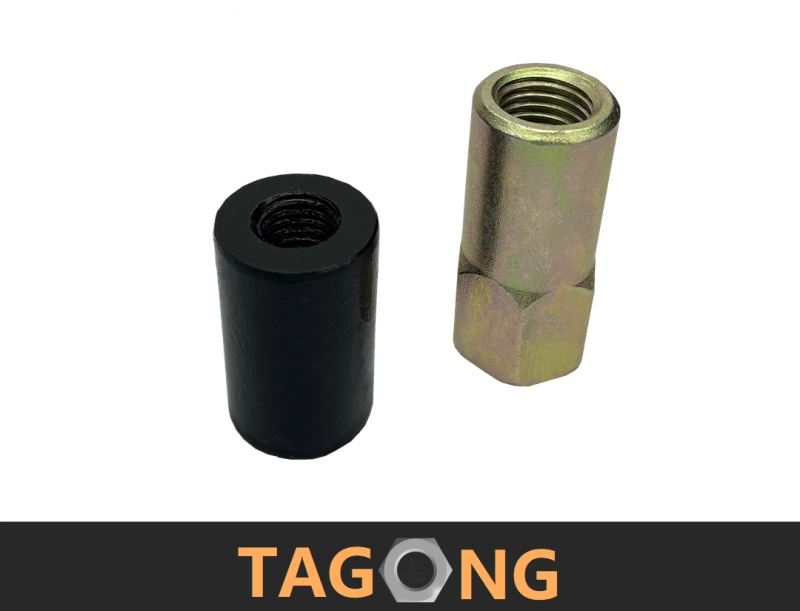
At their core, railway fasteners are designed to connect and stabilize various parts of the rail system, such as rails, ties, and other supporting structures. Different types of fasteners are employed based on the specific requirements of the railway system. For instance, rail clips are widely used to hold rails in place on wooden or concrete ties, providing the necessary grip to withstand the forces generated by passing trains. Bolts and nuts are also commonly utilized, providing secure connections that are crucial for maintaining the integrity of the rail network.
One of the key characteristics of railway fasteners is their durability. These components must withstand extreme conditions, including heavy loads, vibrations, and environmental factors such as moisture and temperature fluctuations. Therefore, they are often crafted from high-strength materials such as steel or specialized alloys designed to resist wear and corrosion. This emphasis on quality ensures that railway fasteners can perform effectively over extended periods, minimizing the need for frequent maintenance and replacement.
In addition to their functional role, the design of railway fasteners has evolved over the years. Innovations in engineering have led to the development of fasteners that not only provide improved performance but also facilitate easier installation and maintenance. For example, some modern fasteners include features that allow for quicker adjustments and replacements, enhancing operational efficiency.
The application of railway fasteners is not limited to traditional railways. They are also vital in high-speed rail systems, where the stakes for safety and performance are even higher. As the demand for efficient public transportation grows, the role of railway fasteners becomes increasingly important in supporting the infrastructure that underpins these systems.
In conclusion, railway fasteners are a critical but often overlooked aspect of the railway industry. Their ability to ensure the safety and stability of rail networks cannot be overstated. Understanding their types, materials, and applications is crucial for anyone involved in the industrial equipment and components sector. By recognizing the significance of these unsung heroes, we can better appreciate the complexity and importance of railway infrastructure in our daily lives.
At their core, railway fasteners are designed to connect and stabilize various parts of the rail system, such as rails, ties, and other supporting structures. Different types of fasteners are employed based on the specific requirements of the railway system. For instance, rail clips are widely used to hold rails in place on wooden or concrete ties, providing the necessary grip to withstand the forces generated by passing trains. Bolts and nuts are also commonly utilized, providing secure connections that are crucial for maintaining the integrity of the rail network.
One of the key characteristics of railway fasteners is their durability. These components must withstand extreme conditions, including heavy loads, vibrations, and environmental factors such as moisture and temperature fluctuations. Therefore, they are often crafted from high-strength materials such as steel or specialized alloys designed to resist wear and corrosion. This emphasis on quality ensures that railway fasteners can perform effectively over extended periods, minimizing the need for frequent maintenance and replacement.
In addition to their functional role, the design of railway fasteners has evolved over the years. Innovations in engineering have led to the development of fasteners that not only provide improved performance but also facilitate easier installation and maintenance. For example, some modern fasteners include features that allow for quicker adjustments and replacements, enhancing operational efficiency.
The application of railway fasteners is not limited to traditional railways. They are also vital in high-speed rail systems, where the stakes for safety and performance are even higher. As the demand for efficient public transportation grows, the role of railway fasteners becomes increasingly important in supporting the infrastructure that underpins these systems.
In conclusion, railway fasteners are a critical but often overlooked aspect of the railway industry. Their ability to ensure the safety and stability of rail networks cannot be overstated. Understanding their types, materials, and applications is crucial for anyone involved in the industrial equipment and components sector. By recognizing the significance of these unsung heroes, we can better appreciate the complexity and importance of railway infrastructure in our daily lives.
Railway fasteners
RELEVANT INFORMATION
Understanding the Importance of Quality Wheel Nuts in Industrial Applications
Table of Contents
What Are Wheel Nuts? Understanding Their Role
Types of Wheel Nuts Used in Industry
Why Quality Matters in Wheel Nuts
Factors Affecting the Quality of Wheel Nuts
How to Choose the Right Wheel Nuts for Industrial Applications
The Impact of Quality Wheel Nuts on Saf
2025-12-05
Understanding Yellow Zinc Plated Hex Nuts: Essential Components for Industrial Applications
Yellow zinc plated hex nuts are a crucial component in the realm of industrial equipment and fasteners. These nuts are characterized by their hexagonal shape, which allows for easy tightening and loosening using a wrench. One of the main advantages of yellow zinc plating is its enhanced corrosion resistance, making these nuts suitable for various applications where exposure to moisture and other c
2025-11-30
Understanding DIN6330 High Nuts: The Perfect Choice for U-Bolts
In the world of industrial fastening solutions, the significance of selecting the right components cannot be overstated. Among these, **DIN6330 high nuts** stand out as a superior choice for **U-bolts**. This article delves into the intricacies of DIN6330 high nuts, elucidating their specifications, advantages, and applications. We ai
2025-11-25