With over 40 years of experience, TAGONG is the expert in manufacturing standard fasteners and special fasteners
+86 15859750876
+86 13599720777


这里是标题一h1占位文字
How to Test the Strength and Durability of Quadrangular Yellow Nuts: A Comprehensive Guide
2025-08-30
How to Test the Strength and Durability of Quadrangular Yellow Nuts
In the realm of industrial fasteners, understanding the strength and durability of components like quadrangular yellow nuts is crucial for ensuring the reliability and safety of assembled products. These fasteners play a pivotal role in securing various machinery and equipment, making their performance a top priority for manufacturers and engineers alike. This comprehensive guide will delve into the various methods for testing the strength and durability of quadrangular yellow nuts, providing insights and best practices that can significantly impact your projects.
Table of Contents
- Introduction to Quadrangular Yellow Nuts
- Importance of Strength and Durability Testing
- Testing Methods for Quadrangular Yellow Nuts
- Materials and Standards
- Equipment and Tools for Testing
- Interpreting Test Results
- Common Issues and How to Avoid Them
- Conclusion
Introduction to Quadrangular Yellow Nuts
Quadrangular yellow nuts, often made from high-strength materials and coated for enhanced corrosion resistance, are widely utilized in various industrial applications. Their unique quadrangular shape allows for better grip and load distribution, making them essential components in the fastening of machinery, vehicles, and structural elements. Understanding how to effectively test these nuts is vital to ensuring they meet the necessary performance standards for safety and durability.
Importance of Strength and Durability Testing
The strength and durability of quadrangular yellow nuts directly influence the overall reliability of the equipment they are used in. Testing these fasteners helps identify potential weaknesses and ensures they can withstand the stresses encountered during operation. This is particularly essential in industries such as automotive, construction, and aerospace, where failures can lead to catastrophic consequences.
In addition to enhancing safety, conducting thorough testing also contributes to cost savings by minimizing failures and ensuring compliance with regulatory standards. This testing is not just a matter of compliance; it’s about delivering quality and assurance to end-users.
Testing Methods for Quadrangular Yellow Nuts
Tensile Strength Testing
Tensile strength testing measures the maximum amount of tensile (stretching) stress that a material can withstand before failure. This test is critical for ensuring that quadrangular yellow nuts can endure the tension loads applied in real-world applications.
To perform tensile strength testing, a sample nut is placed in a tensile testing machine. The machine gradually applies force until the nut fails. The results provide essential data, including the yield strength, ultimate tensile strength, and elongation percentage. This information is crucial for engineers when selecting the appropriate fastener for specific applications.
Shear Strength Testing
Shear strength testing is designed to evaluate the nut's ability to resist forces applied parallel to its surface. This is vital because fasteners commonly experience shear forces in many industrial applications.
A shear test is typically conducted using a specialized shear testing machine, where the nut is subjected to a controlled load until it fails. The shear strength is determined by measuring the maximum load applied at the point of failure. Assessing shear strength helps in understanding how well the nut will perform when subjected to lateral loads.
Fatigue Testing
Fatigue testing assesses how quadrangular yellow nuts perform under cyclic loading. Fasteners are often subjected to repeated loads in actual applications, which can lead to failure over time. Understanding a nut's fatigue strength helps predict its lifespan and reliability.
The process involves applying a series of cyclic loads to the nuts until failure occurs. The number of cycles until failure is recorded, and the fatigue limit can be established. This testing is crucial for applications where vibration and repeated loading are common, such as in automotive or aerospace industries.
Corrosion Resistance Testing
Given that many applications expose quadrangular yellow nuts to harsh environments, testing for corrosion resistance is essential. This testing evaluates how well the nuts can withstand corrosion over time, which is critical for maintaining their integrity and performance.
Various methods can be employed, including salt spray testing, where the nuts are placed in a controlled chamber and exposed to a saline environment for a specified duration. The extent of corrosion is then assessed visually and through measurements. This information is vital for selecting the right coating or material for specific applications.
Materials and Standards
Quadrangular yellow nuts are typically made from materials like steel, stainless steel, or high-strength alloys. The choice of material directly impacts the strength, durability, and corrosion resistance of the nuts.
It’s essential to adhere to industry standards such as ASTM, ISO, and SAE when selecting materials and conducting tests. These standards provide guidelines for the mechanical properties expected from fasteners, ensuring that they meet the necessary quality and safety benchmarks.
Equipment and Tools for Testing
To effectively test the strength and durability of quadrangular yellow nuts, specific equipment and tools are required:
- Tensile Testing Machine: This machine applies a controlled tension to the nuts to measure their tensile strength.
- Shear Testing Apparatus: Designed for applying shear loads to evaluate shear strength.
- Fatigue Testing Machine: Capable of applying cyclic loads to test the durability of nuts under repeated stress.
- Corrosion Testing Chamber: This equipment simulates corrosive environments to assess the nuts' resistance to corrosion.
Interpreting Test Results
Once testing is complete, the next step is interpreting the results. Each test yields specific data points that need to be analyzed:
- Tensile Test Results: Look for the yield strength and ultimate tensile strength. A significant difference between these values may indicate a brittle material.
- Shear Test Results: Analyze the load at which the nut failed. Consistent results across multiple tests indicate reliability.
- Fatigue Test Results: The number of cycles until failure provides insight into the expected lifespan of the nuts in actual applications.
- Corrosion Test Results: Evaluate the extent of corrosion after testing. Minimal corrosion indicates a durable coating or material choice.
Common Issues and How to Avoid Them
While testing quadrangular yellow nuts, certain issues may arise that could compromise the integrity of results:
- Inconsistent Test Conditions: Ensure that tests are conducted under controlled conditions to avoid variables affecting the results.
- Improper Sample Preparation: Prepare samples according to standardized methods to ensure accurate and repeatable results.
- Lack of Calibration: Regularly calibrate testing equipment to ensure accuracy and reliability.
By addressing these common issues, organizations can improve the quality and reliability of their testing processes.
Conclusion
Testing the strength and durability of quadrangular yellow nuts is a fundamental practice in ensuring the safety and reliability of industrial applications. By employing various testing methods such as tensile, shear, fatigue, and corrosion testing, professionals can gain valuable insights into the performance of these essential fasteners. Adhering to industry standards, utilizing appropriate equipment, and accurately interpreting test results are all crucial steps in this process. By implementing these practices, manufacturers can enhance the quality and reliability of their products, ultimately contributing to safer and more efficient industrial operations.
FAQs
1. What materials are used to make quadrangular yellow nuts?
Quadrangular yellow nuts are commonly made from materials such as steel, stainless steel, and high-strength alloys. The choice of material impacts their strength and corrosion resistance.
2. Why is tensile strength testing important?
Tensile strength testing is essential as it measures the maximum load a nut can withstand before failure, ensuring reliability in applications that apply tensile loads.
3. What is the purpose of fatigue testing?
Fatigue testing evaluates how well nuts perform under cyclic loading, helping predict their lifespan and reliability in environments where repeated stresses are common.
4. How is corrosion resistance tested?
Corrosion resistance is tested through methods like salt spray testing, which exposes nuts to a saline environment to assess how well they can withstand corrosive conditions.
5. What common issues can affect test results?
Common issues include inconsistent test conditions, improper sample preparation, and lack of calibration of testing equipment, all of which can compromise test integrity.
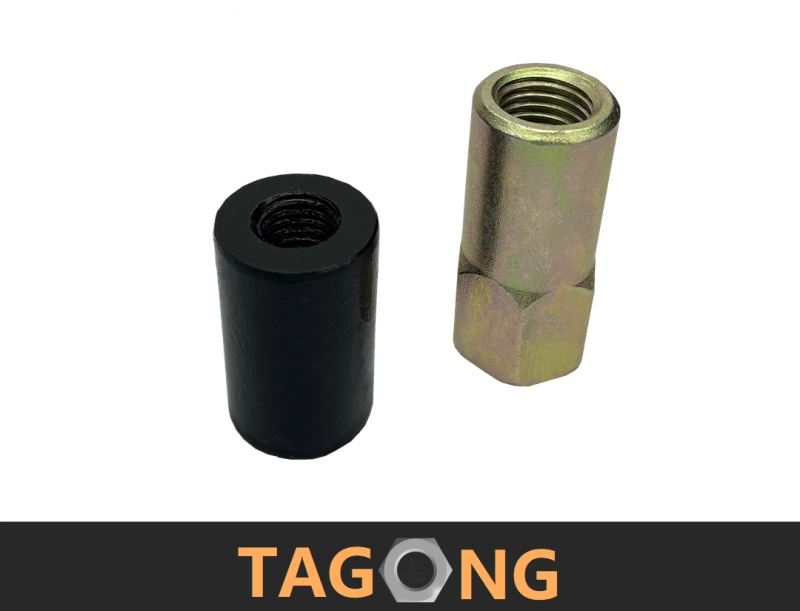
Quadrangular yellow nut
RELEVANT INFORMATION

Understanding Wheel Nuts: A Key Component in Industrial Fastening
2026-02-23

The Critical Importance of Yellow Zinc Plated Hex Nuts in Ensuring Structural Integrity
2026-02-18
Understanding DIN6330 and ISO4033 High Nuts: Essential Components for U-bolts
2026-02-13

JINJIANG TAGONG HARDWARE FORGING MANUFACTURER.

Established in 1985,60,000 square meters state-of-the-art manufacturing facility founded in Jinjiang city has a large capacity to produce specialty fasteners to our customer's unique specifications, and drawings.
Contact Us
+86 15859750876 / +86 13599720777
No. 58, XUNKENG DISTRICT, SANKENG VILLAGE,JINJING TOWN,JINJIANG,FUJIAN ,CHINA