With over 40 years of experience, TAGONG is the expert in manufacturing standard fasteners and special fasteners
+86 15859750876
+86 13599720777


这里是标题一h1占位文字
The Environmental Impact of Manufacturing Quadrangular Yellow Nuts: A Comprehensive Analysis
2025-04-12
The Environmental Impact of Manufacturing Quadrangular Yellow Nuts
Introduction: Understanding Quadrangular Yellow Nuts in Industry
The manufacturing of **quadrangular yellow nuts** plays a crucial role in various industrial applications, particularly in the fastening and joining of components. These nuts, characterized by their unique four-sided shape and bright yellow finish, are essential in ensuring the structural integrity of machinery and equipment. However, their production is not without environmental consequences. In this article, we will explore the environmental impact of manufacturing quadrangular yellow nuts, focusing on **material sourcing**, **production processes**, **waste management**, and **sustainability practices**.
Table of Contents
- 1. Material Sourcing for Quadrangular Yellow Nuts
- 2. Production Processes: Carbon Footprint Analysis
- 3. Waste Management in Quadrangular Yellow Nut Production
- 4. Sustainable Practices in Manufacturing
- 5. Case Studies: Companies Leading in Sustainability
- 6. Environmental Regulations Impacting Manufacturing
- 7. Future Trends in Eco-Friendly Manufacturing
- 8. Conclusion: Towards Sustainable Manufacturing
- 9. Frequently Asked Questions
1. Material Sourcing for Quadrangular Yellow Nuts
The materials used in manufacturing quadrangular yellow nuts primarily include **steel**, **aluminum**, and **zinc**, among others. The choice of material significantly influences the environmental footprint of the production process.
1.1 The Impact of Raw Material Extraction
The extraction of these materials often involves **mining** and **industrial processing**, which can lead to habitat destruction, soil erosion, and significant energy consumption. For instance, steel production requires extensive mining of iron ore, which can result in large-scale deforestation and biodiversity loss.
1.2 Sustainable Alternatives in Material Sourcing
To mitigate these impacts, manufacturers are increasingly exploring sustainable alternatives. **Recycled materials** can be utilized effectively, reducing the need for virgin resources and minimizing energy consumption. Implementing a circular economy approach not only decreases waste but also conserves natural resources.
2. Production Processes: Carbon Footprint Analysis
The production process for quadrangular yellow nuts involves several stages, each contributing to the overall environmental impact.
2.1 Energy Consumption in Manufacturing
High energy consumption during the production phase significantly contributes to greenhouse gas emissions. Traditional manufacturing processes often rely on fossil fuels, leading to a substantial carbon footprint.
2.2 Innovations in Energy Efficiency
Manufacturers are increasingly adopting **energy-efficient technologies**. The implementation of **renewable energy sources**—such as solar, wind, and hydropower—can drastically reduce the carbon emissions associated with production. Additionally, optimizing production techniques to minimize energy wastage can further enhance sustainability.
3. Waste Management in Quadrangular Yellow Nut Production
Effective waste management strategies are critical in reducing the environmental impact of manufacturing quadrangular yellow nuts.
3.1 Types of Waste Generated
During the production process, various waste types are generated, including metal shavings, packaging materials, and chemical byproducts. Managing these wastes is crucial to minimize their environmental impact.
3.2 Implementing Waste Reduction Strategies
Manufacturers can employ several strategies to manage waste effectively. Recycling metal shavings and reusing packaging materials are practical steps. Additionally, adopting **lean manufacturing principles** can help reduce waste at each stage of the production process.
4. Sustainable Practices in Manufacturing
Embracing sustainability is not just a trend; it's a necessity for modern manufacturers of quadrangular yellow nuts.
4.1 Certification and Standards
Achieving certifications such as **ISO 14001** can demonstrate a commitment to environmental management. These standards guide companies in implementing effective sustainability practices and improving their overall environmental impact.
4.2 Collaboration with Stakeholders
Collaboration with suppliers and customers to promote sustainable practices can lead to innovative solutions. Engaging with stakeholders allows manufacturers to identify opportunities for improvement and develop strategies to minimize environmental impact collectively.
5. Case Studies: Companies Leading in Sustainability
Several companies within the fastening and connecting components industry are at the forefront of sustainable manufacturing practices.
5.1 Company A: Pioneering Recycled Metal Use
Company A has successfully integrated recycled metals into their production process, reducing their reliance on virgin materials. This innovative approach not only diminishes environmental harm but also lowers production costs.
5.2 Company B: Implementing Renewable Energy Solutions
Company B has invested in renewable energy sources, powering their manufacturing facilities with solar energy. This transition has significantly reduced their carbon footprint and positioned them as a leader in sustainable manufacturing practices.
6. Environmental Regulations Impacting Manufacturing
Government regulations play a crucial role in shaping manufacturing practices within the industry.
6.1 Overview of Key Regulations
Regulations such as the **Clean Air Act** and the **Resource Conservation and Recovery Act** establish guidelines for emissions and waste management. Compliance with these regulations is essential for manufacturers aiming to minimize their environmental impact.
6.2 The Role of Compliance in Sustainability
Adhering to environmental regulations not only helps companies avoid penalties but also promotes a culture of sustainability. Manufacturers that prioritize compliance often discover additional efficiency gains that contribute to reducing their environmental footprint.
7. Future Trends in Eco-Friendly Manufacturing
As the demand for sustainable practices grows, several trends are emerging within the manufacturing sector.
7.1 The Rise of Smart Manufacturing
The integration of **smart technologies** into manufacturing processes is revolutionizing how products are made. IoT devices, AI, and machine learning can optimize production efficiency and reduce waste.
7.2 Circular Economy in Fastening Solutions
The shift towards a circular economy encourages manufacturers to rethink product life cycles. By designing products for longevity and recyclability, companies can significantly reduce their environmental impact and resource consumption.
8. Conclusion: Towards Sustainable Manufacturing
The environmental impact of manufacturing quadrangular yellow nuts is complex, encompassing material sourcing, production processes, and waste management. However, by embracing sustainable practices, manufacturers can significantly reduce their ecological footprint. Through innovative technologies, effective waste management strategies, and compliance with regulations, the industry can move towards a more sustainable future. It is essential for companies to recognize their role in protecting the environment while meeting the demands of the industry. By prioritizing sustainability, we can ensure a healthier planet for future generations.
9. Frequently Asked Questions
1. What are quadrangular yellow nuts?
Quadrangular yellow nuts are fasteners with a unique four-sided shape and a yellow coating, commonly used in various industrial applications.
2. How do production processes impact the environment?
The production processes consume energy and generate waste, contributing to greenhouse gas emissions and environmental degradation.
3. What materials are used in manufacturing quadrangular yellow nuts?
Common materials include steel, aluminum, and zinc, which can have varying environmental impacts depending on sourcing and processing.
4. How can manufacturers reduce waste?
Implementing recycling programs, reusing materials, and adopting lean manufacturing principles can significantly minimize waste.
5. What role do regulations play in manufacturing sustainability?
Regulations set standards for emissions and waste management, guiding manufacturers toward more environmentally responsible practices.
By addressing these frequently asked questions, we hope to enhance understanding of the environmental implications associated with the manufacturing of quadrangular yellow nuts and inspire proactive steps toward sustainability in the industry.
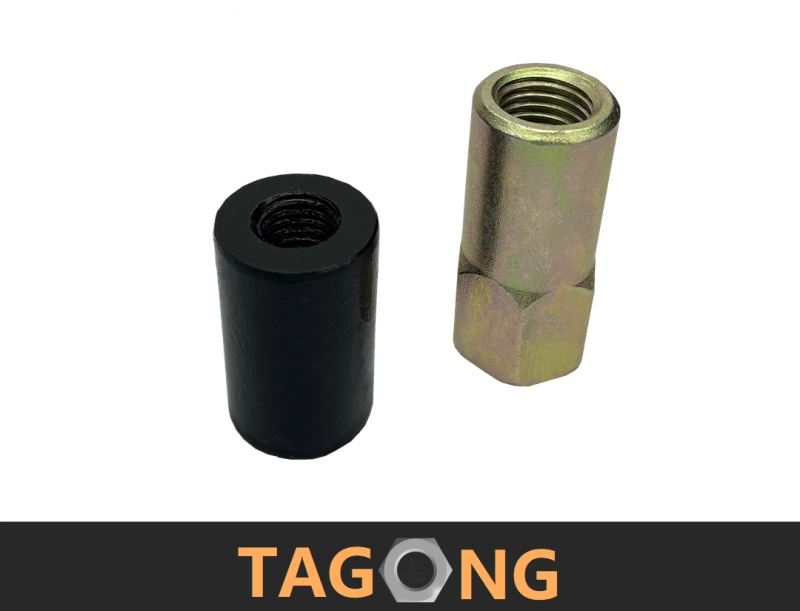
Quadrangular yellow nut
RELEVANT INFORMATION

Understanding Wheel Nuts: A Key Component in Industrial Fastening
2026-02-23

The Critical Importance of Yellow Zinc Plated Hex Nuts in Ensuring Structural Integrity
2026-02-18
Understanding DIN6330 and ISO4033 High Nuts: Essential Components for U-bolts
2026-02-13

JINJIANG TAGONG HARDWARE FORGING MANUFACTURER.

Established in 1985,60,000 square meters state-of-the-art manufacturing facility founded in Jinjiang city has a large capacity to produce specialty fasteners to our customer's unique specifications, and drawings.
Contact Us
+86 15859750876 / +86 13599720777
No. 58, XUNKENG DISTRICT, SANKENG VILLAGE,JINJING TOWN,JINJIANG,FUJIAN ,CHINA