With over 40 years of experience, TAGONG is the expert in manufacturing standard fasteners and special fasteners
+86 15859750876
+86 13599720777


这里是标题一h1占位文字
The Best Practices for Installing DIN74361 Yellow Zinc Nuts: A Comprehensive Guide
2025-04-06
The Best Practices for Installing DIN74361 Yellow Zinc Nuts
Introduction to DIN74361 Yellow Zinc Nuts
DIN74361 yellow zinc nuts are widely recognized in the industrial sector for their durability and corrosion resistance. Made from high-quality materials and coated with yellow zinc, these nuts are specifically designed to provide reliable fastening solutions in various applications, from automotive to construction. **Understanding the right practices for installation is crucial** to ensure optimal performance and longevity.
Why Choose DIN74361 Yellow Zinc Nuts?
The selection of DIN74361 yellow zinc nuts offers numerous advantages:
1. Corrosion Resistance
The yellow zinc coating serves as an effective barrier against moisture and other corrosive elements, making these nuts suitable for outdoor and high-humidity environments.
2. High Strength and Durability
Manufactured to stringent quality standards, these nuts exhibit excellent tensile strength, ensuring they can withstand significant loads without failure.
3. Versatility in Applications
Due to their robust design, DIN74361 yellow zinc nuts can be used in various industries, including automotive, construction, and machinery.
Preparing for Installation
Before installing DIN74361 yellow zinc nuts, proper preparation is essential to achieving a secure and effective fastening.
1. Gather Necessary Tools and Materials
Ensure you have all the required tools on hand, such as:
- Torque wrench
- Socket set
- Cleaning brush
- Thread lubricant (if necessary)
2. Inspect the Work Area
A clean, organized workspace is vital. Remove any debris or contaminants that could interfere with the installation process. **Inspect the surface where the nuts will be applied**, ensuring it is free of rust, dirt, or grease.
Selecting the Right DIN74361 Yellow Zinc Nuts
Choosing the appropriate size and type of yellow zinc nut is critical for a successful installation.
1. Understand the Specifications
DIN74361 nuts come in various sizes, thread types, and classes. Refer to the specifications to determine the correct nut based on the bolt size used in your application.
2. Verify Compatibility with Other Components
Ensure that the selected nuts are compatible with other components, such as bolts and washers. Mismatched components can lead to installation failures and may compromise the integrity of the assembly.
Step-by-Step Installation Process
Following a systematic approach during the installation of DIN74361 yellow zinc nuts will lead to optimal results.
1. Start with a Clean Bolt
**Before attaching the nut**, clean the bolt thoroughly to remove any rust or debris. Use a cleaning brush to ensure smooth threads for a proper fit.
2. Apply Thread Lubricant (Optional)
While not always necessary, applying a small amount of thread lubricant can help ease the installation process and ensure a tighter fit.
3. Hand Tightening the Nut
Begin the installation by hand-tightening the nut onto the bolt. This will help ensure the threads are properly engaged.
4. Use a Torque Wrench for Final Tightening
Once hand-tightened, use a torque wrench to apply the specified torque according to the manufacturer’s recommendations. This step is crucial for ensuring that the nut is secured adequately without over-tightening, which can lead to thread stripping or bolt failure.
5. Inspect for Proper Fit
After installation, **inspect the assembly** to confirm that the nut is flush against the surface and that no gaps exist between the nut and the bolt.
Common Installation Mistakes to Avoid
To ensure a successful installation of DIN74361 yellow zinc nuts, be aware of common pitfalls:
1. Over-tightening
Excessive torque can strip the threads and compromise the nut's integrity. Always follow manufacturer specifications.
2. Using Incompatible Components
Ensure that the nuts, bolts, and washers are compatible in size and material to maintain assembly strength.
3. Ignoring Environmental Conditions
Installation in adverse environmental conditions can affect performance. Always consider temperature, humidity, and exposure to chemicals.
Maintenance Tips for Long-lasting Performance
Proper maintenance is essential for sustaining the performance of DIN74361 yellow zinc nuts.
1. Regular Inspections
Conduct periodic inspections to check for signs of wear, corrosion, or loosening of the nuts. Early detection of issues can prevent more significant problems down the road.
2. Cleanliness
Keep the installation area clean and dry. Removing any contaminants will help improve the lifespan of the nuts and the overall assembly.
3. Retorque Periodically
Depending on the application, it may be necessary to retorque the nuts after a specific period or after significant temperature changes. This practice helps maintain optimal tension.
Frequently Asked Questions (FAQs)
1. What are DIN74361 yellow zinc nuts used for?
DIN74361 yellow zinc nuts are used in various applications where high strength and corrosion resistance are required, including automotive and industrial machinery.
2. How do I know which size of DIN74361 nut to use?
Refer to the specifications of the bolt being used. The nut should match the bolt size and thread type for proper application.
3. Can I use DIN74361 nuts in outdoor applications?
Yes, the yellow zinc coating provides excellent corrosion resistance, making them suitable for outdoor use.
4. Is it necessary to use a lubricant during installation?
While not always required, a thread lubricant can help facilitate easier installation and improve the fit.
5. How often should I inspect the installed nuts?
Regular inspections should be conducted according to the application demands, typically every few months or after significant environmental changes.
Conclusion
In conclusion, installing DIN74361 yellow zinc nuts requires careful preparation, selection, and execution. By following these best practices, one can ensure a secure and long-lasting fastening solution. Regular maintenance and inspections will further enhance the performance and reliability of these essential components in various industrial applications. Emphasizing quality and adhering to installation protocols will lead to successful outcomes and a reduction in potential failures, safeguarding the integrity of your projects.
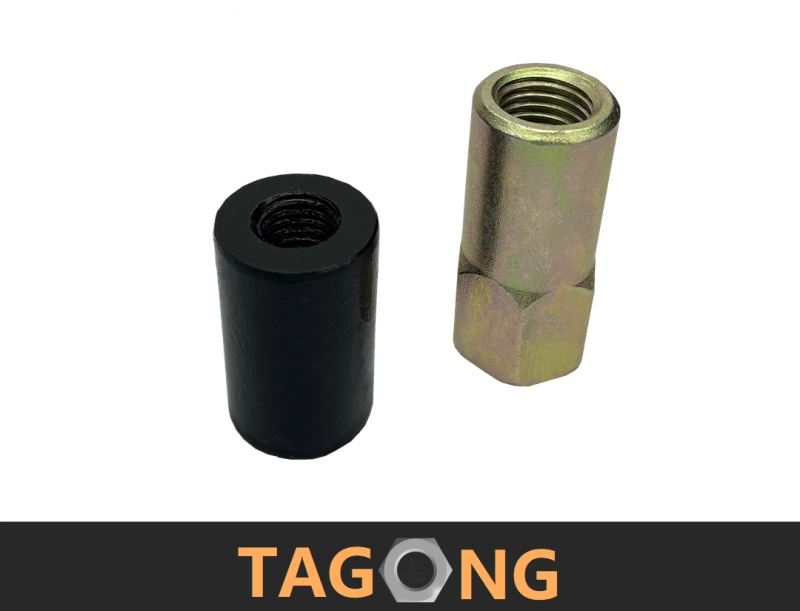
Yellow Zinc Nuts DIN74361 Auto Parts
RELEVANT INFORMATION

Understanding Wheel Nuts: A Key Component in Industrial Fastening
2026-02-23

The Critical Importance of Yellow Zinc Plated Hex Nuts in Ensuring Structural Integrity
2026-02-18
Understanding DIN6330 and ISO4033 High Nuts: Essential Components for U-bolts
2026-02-13

JINJIANG TAGONG HARDWARE FORGING MANUFACTURER.

Established in 1985,60,000 square meters state-of-the-art manufacturing facility founded in Jinjiang city has a large capacity to produce specialty fasteners to our customer's unique specifications, and drawings.
Contact Us
+86 15859750876 / +86 13599720777
No. 58, XUNKENG DISTRICT, SANKENG VILLAGE,JINJING TOWN,JINJIANG,FUJIAN ,CHINA