With over 40 years of experience, TAGONG is the expert in manufacturing standard fasteners and special fasteners
+86 15859750876
+86 13599720777
这里是标题一h1占位文字
Understanding Bolts and Wheel Nuts: A Deep Dive into DIN 74361 Auto Parts
2025-03-28
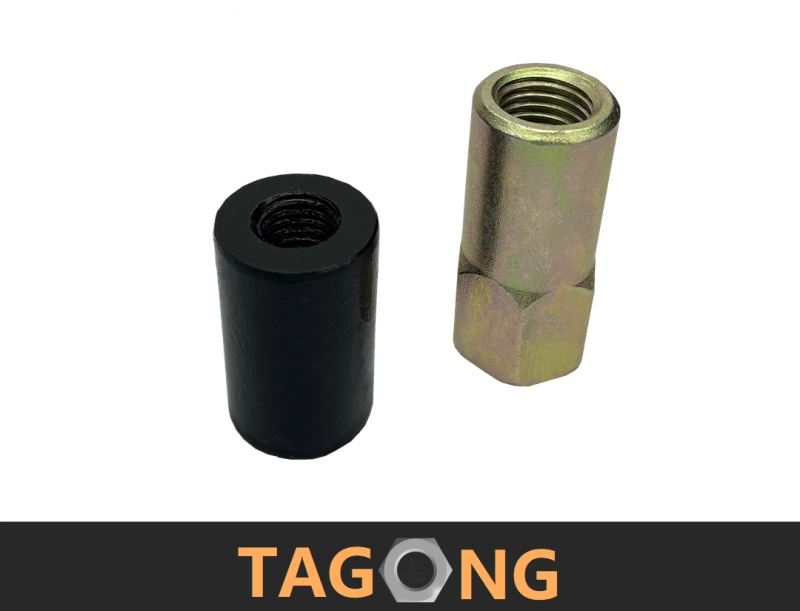
Bolts and wheel nuts are fundamental components in automotive engineering, serving crucial roles in maintaining vehicle integrity and performance. Specifically, the DIN 74361 standard outlines the specifications for wheel nuts used in various automotive applications, ensuring that they meet rigorous safety and performance criteria.
At the heart of the DIN 74361 standard is the design and functionality of wheel nuts. These nuts are typically hexagonal in shape, allowing for easy installation and removal using wrenches. Their primary function is to secure the wheel to the hub, providing a stable connection that is vital for safe vehicle operation. When wheel nuts are correctly torqued, they withstand the immense forces generated during driving, including acceleration, braking, and cornering.
Materials play a significant role in the performance of wheel nuts and bolts. Common materials include carbon steel, stainless steel, and alloy steel, each offering different levels of strength and corrosion resistance. For instance, stainless steel wheel nuts are resistant to rust and oxidation, making them ideal for vehicles exposed to harsh environmental conditions. On the other hand, carbon steel may be treated with coatings or finishes to enhance its durability and performance.
It is essential to ensure that the correct type of wheel nut is used for each specific vehicle application. The DIN 74361 standard provides guidance on various dimensions and specifications, ensuring compatibility with specific bolt patterns and wheel designs. Using improper or non-compliant wheel nuts can lead to dangerous consequences, including wheel detachment while driving, which can result in severe accidents.
Installing wheel nuts also involves understanding the importance of proper torque. Over-tightening can lead to thread stripping or damage to the wheel, while under-tightening can result in loosening during operation. Mechanics often use torque wrenches to ensure that wheel nuts are tightened to the manufacturer's specified levels. Regular inspections of these components are advisable, especially after long journeys or in extreme conditions, to ensure that they remain secure.
In conclusion, understanding bolts and wheel nuts, especially those conforming to DIN 74361, is crucial for anyone involved in automotive maintenance or manufacturing. By adhering to established standards and using quality materials, the safety and performance of vehicles can be significantly enhanced. Whether you are a mechanic, an automotive engineer, or a vehicle owner, being knowledgeable about these essential components will contribute to safer driving experiences and improved vehicle reliability.
At the heart of the DIN 74361 standard is the design and functionality of wheel nuts. These nuts are typically hexagonal in shape, allowing for easy installation and removal using wrenches. Their primary function is to secure the wheel to the hub, providing a stable connection that is vital for safe vehicle operation. When wheel nuts are correctly torqued, they withstand the immense forces generated during driving, including acceleration, braking, and cornering.
Materials play a significant role in the performance of wheel nuts and bolts. Common materials include carbon steel, stainless steel, and alloy steel, each offering different levels of strength and corrosion resistance. For instance, stainless steel wheel nuts are resistant to rust and oxidation, making them ideal for vehicles exposed to harsh environmental conditions. On the other hand, carbon steel may be treated with coatings or finishes to enhance its durability and performance.
It is essential to ensure that the correct type of wheel nut is used for each specific vehicle application. The DIN 74361 standard provides guidance on various dimensions and specifications, ensuring compatibility with specific bolt patterns and wheel designs. Using improper or non-compliant wheel nuts can lead to dangerous consequences, including wheel detachment while driving, which can result in severe accidents.
Installing wheel nuts also involves understanding the importance of proper torque. Over-tightening can lead to thread stripping or damage to the wheel, while under-tightening can result in loosening during operation. Mechanics often use torque wrenches to ensure that wheel nuts are tightened to the manufacturer's specified levels. Regular inspections of these components are advisable, especially after long journeys or in extreme conditions, to ensure that they remain secure.
In conclusion, understanding bolts and wheel nuts, especially those conforming to DIN 74361, is crucial for anyone involved in automotive maintenance or manufacturing. By adhering to established standards and using quality materials, the safety and performance of vehicles can be significantly enhanced. Whether you are a mechanic, an automotive engineer, or a vehicle owner, being knowledgeable about these essential components will contribute to safer driving experiences and improved vehicle reliability.
Bolts Wheel Nuts DIN74361 Auto Parts
RELEVANT INFORMATION
Understanding Wheel Nuts: A Key Component in Industrial Fastening
When it comes to industrial equipment and vehicles, wheel nuts are an essential component that should never be overlooked. These fasteners are primarily designed to secure wheels to axles, ensuring stability and safety during operation. Properly fitted and maintained wheel nuts prevent accidents, enhance performance, and extend the lifespan of equipment.
Wheel nuts come in various types, includin
2026-02-23
The Critical Importance of Yellow Zinc Plated Hex Nuts in Ensuring Structural Integrity
Table of Contents
Introduction to Yellow Zinc Plated Hex Nuts
Understanding Hex Nuts and Their Types
Why Yellow Zinc Plating Matters
Benefits of Yellow Zinc Plated Hex Nuts
Applications in Structural Engineering
Choosing the Right Yellow Zinc Plated Hex Nut
Installation Best Pra
2026-02-18
Understanding DIN6330 and ISO4033 High Nuts: Essential Components for U-bolts
---
In the realm of industrial equipment and components, fasteners play a pivotal role in ensuring the structural integrity and functionality of various applications. Among the essential fastener types are the DIN6330 and ISO4033 high nuts, which are particularly designed for use with U-bolts. Understanding their specifications, uses, and advantages can significantly enhance assembly processes and
2026-02-13