With over 40 years of experience, TAGONG is the expert in manufacturing standard fasteners and special fasteners
+86 15859750876
+86 13599720777


这里是标题一h1占位文字
Quadrangular Yellow Nuts: A Comprehensive Overview for Professionals in the Fastener Industry
2025-03-07
Quadrangular Yellow Nuts: A Comprehensive Overview for Professionals
Table of Contents
- 1. Introduction to Quadrangular Yellow Nuts
- 2. What Are Quadrangular Yellow Nuts?
- 3. Materials and Specifications of Quadrangular Yellow Nuts
- 4. Manufacturing Process of Quadrangular Yellow Nuts
- 5. Applications of Quadrangular Yellow Nuts in Various Industries
- 6. Advantages of Using Quadrangular Yellow Nuts
- 7. Maintenance and Care for Quadrangular Yellow Nuts
- 8. FAQs About Quadrangular Yellow Nuts
- 9. Conclusion
1. Introduction to Quadrangular Yellow Nuts
Quadrangular yellow nuts are specialized fasteners designed for a variety of industrial applications. Their unique shape and robust manufacturing processes make them essential components in various machinery and constructions. This article aims to provide a comprehensive overview of quadrangular yellow nuts, including their specifications, applications, and advantages.
2. What Are Quadrangular Yellow Nuts?
Quadrangular yellow nuts, also known as square nuts, are characterized by their square shape and distinctive yellow color, which is usually a result of electroplating with a yellow chromate finish. This finish not only enhances aesthetics but also provides corrosion resistance. These nuts are commonly used with bolts and screws and are favored in applications where high tensile strength and stability are required.
2.1 Design Features
The design of quadrangular yellow nuts includes four equal sides, allowing for greater surface contact compared to traditional round nuts. This design feature increases the engagement area with the bolt, providing improved locking capabilities and reducing the likelihood of loosening under vibration.
2.2 Standard Sizes
Quadrangular yellow nuts come in various sizes to accommodate different bolt diameters. Standard sizes range from M3 to M30, providing versatility for multiple applications across various industries.
3. Materials and Specifications of Quadrangular Yellow Nuts
The materials used in the construction of quadrangular yellow nuts significantly influence their performance and applicability. Typically, these nuts are manufactured from:
3.1 Carbon Steel
Carbon steel is the most common material for quadrangular yellow nuts due to its balance of strength and ductility. It can withstand high loads and is relatively economical to produce.
3.2 Stainless Steel
For applications requiring resistance to corrosion, stainless steel quadrangular nuts are preferable. They are ideal for environments exposed to moisture, chemicals, and high temperatures.
3.3 Specifications
Quadrangular yellow nuts are often manufactured to conform to standards such as ASTM, ISO, or DIN. The specifications include details about tensile strength, hardness, and dimensional tolerances, ensuring compatibility with corresponding bolts.
4. Manufacturing Process of Quadrangular Yellow Nuts
The manufacturing of quadrangular yellow nuts involves several key processes to ensure quality and performance:
4.1 Forging
The first step is forging, where raw metal is heated and shaped into the basic form of the nut. This process enhances the grain structure of the material, improving its strength.
4.2 Machining
After forging, machining is performed to achieve precise dimensions. This step often includes threading, which allows the nut to fit onto corresponding bolts.
4.3 Surface Treatment
To enhance corrosion resistance and durability, a yellow chromate plating is applied. This not only provides protection but also improves the nut’s appearance.
5. Applications of Quadrangular Yellow Nuts in Various Industries
Quadrangular yellow nuts find applications in diverse fields:
5.1 Construction Industry
In construction, these nuts are used extensively for securing structural components, ensuring stability in buildings and bridges.
5.2 Automotive Industry
Automotive manufacturers use quadrangular yellow nuts for various assembly processes, including engine mounts and chassis components.
5.4 Machinery and Equipment
Heavy machinery, such as industrial equipment and agricultural machines, relies on the strength and durability of quadrangular yellow nuts for assembly and maintenance.
6. Advantages of Using Quadrangular Yellow Nuts
Choosing quadrangular yellow nuts offers numerous benefits:
6.1 Enhanced Stability
The square design provides a larger contact area, improving the stability of assemblies, especially in vibration-prone environments.
6.2 Corrosion Resistance
The yellow chromate finish protects against corrosion, ensuring longevity and reliability in various applications.
6.3 Cost-Effectiveness
Due to their manufacturing process, quadrangular yellow nuts are generally more economical compared to other specialized fasteners, making them a cost-effective option for bulk purchases.
7. Maintenance and Care for Quadrangular Yellow Nuts
Proper maintenance of quadrangular yellow nuts is crucial for ensuring their longevity and performance:
7.1 Regular Inspections
Regularly inspect nuts for signs of wear, corrosion, or damage. Replace any compromised nuts to maintain the integrity of the assembly.
7.2 Cleaning
Keep nuts clean from debris and contaminants that may interfere with their function. Using a mild detergent and water can help maintain their appearance and performance.
7.3 Proper Torque Application
Ensure that the nuts are tightened to the manufacturer’s recommended torque specifications to prevent loosening while minimizing the risk of damaging the threads.
8. FAQs About Quadrangular Yellow Nuts
8.1 What are the benefits of using quadrangular yellow nuts over standard round nuts?
Quadrangular yellow nuts offer better stability and higher resistance to loosening due to their larger contact area.
8.2 Can quadrangular yellow nuts be used in high-temperature environments?
Yes, when made from appropriate materials like stainless steel, they can withstand high-temperature applications.
8.3 How do I determine the correct size of quadrangular yellow nut for my application?
Match the nut size to the diameter and thread pitch of the corresponding bolt.
8.4 Are there any specific standards for quadrangular yellow nuts?
Yes, they are often manufactured according to ASTM, ISO, or DIN standards to ensure quality and compatibility.
8.5 How can I prevent corrosion on quadrangular yellow nuts?
Using stainless steel variants or applying protective coatings can help prevent corrosion.
9. Conclusion
Quadrangular yellow nuts serve as essential fasteners in various industries, providing stability, durability, and versatility. Their unique design and robust manufacturing processes make them suitable for a wide range of applications. By understanding their specifications, advantages, and maintenance requirements, professionals can effectively utilize these nuts to enhance the performance and reliability of their projects. Whether in construction, automotive, or machinery, quadrangular yellow nuts are a valuable addition to any toolkit.
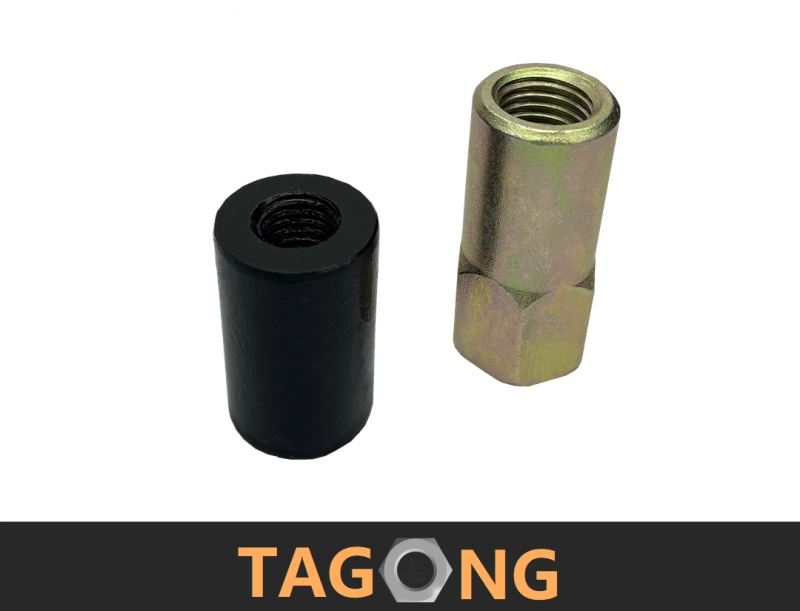
Quadrangular yellow nut
RELEVANT INFORMATION

Understanding Wheel Nuts: A Key Component in Industrial Fastening
2026-02-23

The Critical Importance of Yellow Zinc Plated Hex Nuts in Ensuring Structural Integrity
2026-02-18
Understanding DIN6330 and ISO4033 High Nuts: Essential Components for U-bolts
2026-02-13

JINJIANG TAGONG HARDWARE FORGING MANUFACTURER.

Established in 1985,60,000 square meters state-of-the-art manufacturing facility founded in Jinjiang city has a large capacity to produce specialty fasteners to our customer's unique specifications, and drawings.
Contact Us
+86 15859750876 / +86 13599720777
No. 58, XUNKENG DISTRICT, SANKENG VILLAGE,JINJING TOWN,JINJIANG,FUJIAN ,CHINA