With over 40 years of experience, TAGONG is the expert in manufacturing standard fasteners and special fasteners
+86 15859750876
+86 13599720777


这里是标题一h1占位文字
How Yellow Zinc Coating Enhances the Durability of Auto Parts Nuts
2025-03-01
How Yellow Zinc Coating Enhances the Durability of Auto Parts Nuts
Table of Contents
1. Introduction to Yellow Zinc Coating
2. The Importance of Nuts in Auto Parts
3. What is Yellow Zinc Coating?
4. Benefits of Yellow Zinc Coating for Auto Parts Nuts
4.1 Enhanced Corrosion Resistance
4.2 Improved Mechanical Properties
4.3 Better Wear Resistance
4.4 Aesthetic Appeal
5. The Process of Yellow Zinc Coating
5.1 Pre-Treatment of Nuts
5.2 Application of Yellow Zinc Coating
5.3 Post-Treatment Inspection
6. Comparing Yellow Zinc Coating with Other Coatings
7. Applications of Yellow Zinc Coated Nuts in the Automotive Industry
8. Frequently Asked Questions (FAQs)
9. Conclusion
1. Introduction to Yellow Zinc Coating
In the automotive industry, the integrity and durability of components are paramount. Among these components, nuts play a critical role in ensuring the secure assembly of various parts. The introduction of yellow zinc coating has revolutionized how we approach the longevity and reliability of auto parts nuts. This article delves into the intricacies of yellow zinc coating and how it significantly enhances the durability of nuts used in vehicles.
2. The Importance of Nuts in Auto Parts
Nuts are essential fasteners that complement bolts, ensuring that various parts of a vehicle remain securely fastened. They not only hold components together but also contribute to the overall structural integrity of the vehicle. Without high-quality nuts, the functionality and safety of vehicles can be compromised, making it crucial to utilize durable materials and coatings, such as yellow zinc.
3. What is Yellow Zinc Coating?
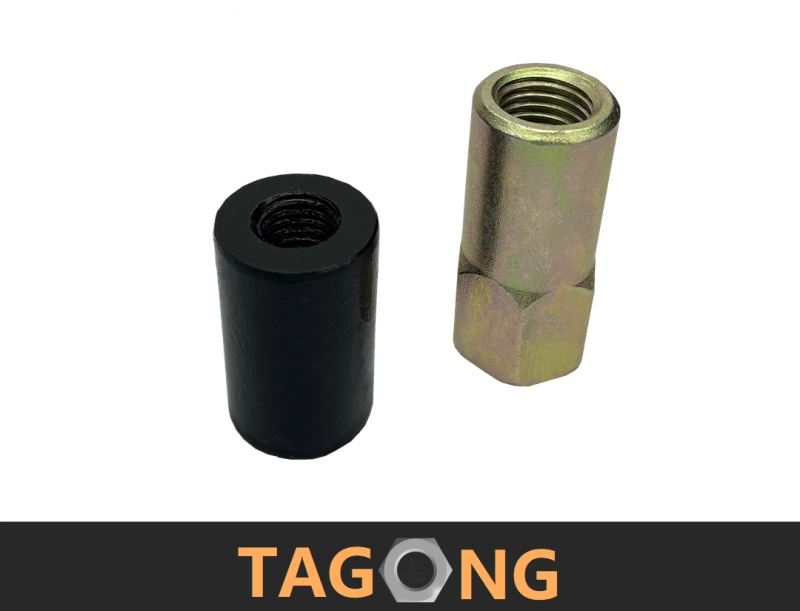
Yellow zinc coating is an electroplating process that involves applying a layer of zinc onto metal surfaces. This specific coating is characterized by its yellow hue, which is a result of the zinc's interaction with chromate during the plating process. Yellow zinc coating provides a robust barrier against environmental factors, making it ideal for automotive applications.
4. Benefits of Yellow Zinc Coating for Auto Parts Nuts
Understanding the benefits of yellow zinc coating can help manufacturers and automotive professionals make informed decisions regarding their components.
4.1 Enhanced Corrosion Resistance
One of the standout benefits of yellow zinc coating is its remarkable corrosion resistance. Auto parts nuts are often exposed to moisture, salt, and other corrosive elements. The yellow zinc layer acts as a shield, preventing rust and degradation, which can lead to component failure over time. This durability is crucial for vehicles, especially those operating in harsh environments.
4.2 Improved Mechanical Properties
The application of yellow zinc coating can improve the mechanical properties of nuts, including tensile strength and hardness. This enhancement is integral in ensuring that nuts can withstand the forces exerted upon them during vehicle operation. Stronger nuts contribute to the overall safety and durability of the vehicle's assembly.
4.3 Better Wear Resistance
Wear and tear are inevitable in any automotive application. Yellow zinc-coated nuts exhibit superior wear resistance compared to their uncoated counterparts. This increased resistance means that the nuts can maintain their structural integrity and performance over a more extended period, reducing the need for frequent replacements.
4.4 Aesthetic Appeal
While functionality is the primary concern, aesthetics also play a role in automotive components. Yellow zinc coating provides a shiny, appealing finish that enhances the visual quality of nuts. This aesthetic appeal is particularly important for visible components in automotive designs.
5. The Process of Yellow Zinc Coating
The application of yellow zinc coating involves several critical steps to ensure optimal adhesion and performance.
5.1 Pre-Treatment of Nuts
Before applying the yellow zinc coating, nuts undergo a thorough cleaning and pre-treatment process. This step is crucial for removing any contaminants, oils, or oxides that could hinder the coating's adhesion. Proper pre-treatment ensures a smooth and even application of the coating.
5.2 Application of Yellow Zinc Coating
The actual application of yellow zinc coating is performed using the electroplating method. During this process, nuts are submerged in a solution containing zinc ions. An electric current is then passed through the solution, causing the zinc to bond to the surface of the nuts. The thickness of the coating can be controlled during this process to meet specific requirements.
5.3 Post-Treatment Inspection
After the coating application, nuts undergo rigorous inspections to ensure quality and adherence to standards. This inspection process includes checking the coating's thickness, uniformity, and overall appearance. Only those nuts that meet stringent quality criteria are released for use in automotive applications.
6. Comparing Yellow Zinc Coating with Other Coatings
When considering coatings for auto parts nuts, it is essential to compare yellow zinc with other options available on the market. Options like black oxide and hot-dip galvanizing also provide protective benefits, but they differ in terms of durability, aesthetic appeal, and resistance to environmental factors. Yellow zinc coating often emerges as a preferred choice for its balanced combination of protection and appearance.
7. Applications of Yellow Zinc Coated Nuts in the Automotive Industry
Yellow zinc coated nuts are widely utilized in various automotive applications. From securing engine components to fastening body panels, these nuts play a vital role in the assembly of vehicles. Their enhanced durability and corrosion resistance make them suitable for high-performance applications where reliability is paramount.
8. Frequently Asked Questions (FAQs)
Q1: How does yellow zinc coating improve the life span of auto parts nuts?
A: Yellow zinc coating enhances the lifespan of auto parts nuts by providing a robust barrier against corrosion and wear, ensuring they remain functional for longer periods.
Q2: Can yellow zinc coating be applied to all types of nuts?
A: Yes, yellow zinc coating can be applied to various types of nuts, including those made from steel and iron, making it a versatile option for automotive applications.
Q3: Is the yellow zinc coating environmentally safe?
A: The yellow zinc coating process is generally considered safe, but it is essential to adhere to environmental regulations and best practices during application to minimize any potential impact.
Q4: How often should yellow zinc-coated nuts be inspected?
A: Regular inspections should be conducted based on the specific application and environmental conditions. Typically, annual inspections are recommended to ensure continued performance.
Q5: What factors influence the thickness of the yellow zinc coating?
A: Factors influencing coating thickness include the duration of the electroplating process, current density, and the specific requirements set by the manufacturer for the application.
9. Conclusion
In summary, **yellow zinc coating** significantly enhances the durability and reliability of auto parts nuts. With its exceptional corrosion resistance, improved mechanical properties, and aesthetic appeal, it stands out as an ideal choice for the automotive industry. As vehicles continue to evolve, the demand for durable and reliable components will only increase, making the advancement of coatings like yellow zinc essential for ensuring the longevity and safety of automotive assemblies. Embracing this technology will not only lead to better performance but also foster innovation in the design and manufacturing of auto parts.
Yellow Zinc Nuts DIN74361 Auto Parts
RELEVANT INFORMATION

Understanding Wheel Nuts: A Key Component in Industrial Fastening
2026-02-23

The Critical Importance of Yellow Zinc Plated Hex Nuts in Ensuring Structural Integrity
2026-02-18
Understanding DIN6330 and ISO4033 High Nuts: Essential Components for U-bolts
2026-02-13

JINJIANG TAGONG HARDWARE FORGING MANUFACTURER.

Established in 1985,60,000 square meters state-of-the-art manufacturing facility founded in Jinjiang city has a large capacity to produce specialty fasteners to our customer's unique specifications, and drawings.
Contact Us
+86 15859750876 / +86 13599720777
No. 58, XUNKENG DISTRICT, SANKENG VILLAGE,JINJING TOWN,JINJIANG,FUJIAN ,CHINA