With over 40 years of experience, TAGONG is the expert in manufacturing standard fasteners and special fasteners
+86 15859750876
+86 13599720777


这里是标题一h1占位文字
A Comprehensive Guide to DIN74361 Yellow Zinc Nuts: Features and Uses
2025-02-11
A Comprehensive Guide to DIN74361 Yellow Zinc Nuts: Features and Uses
Table of Contents
1. Introduction to DIN74361 Yellow Zinc Nuts
2. What Makes DIN74361 Yellow Zinc Nuts Unique?
3. Key Features of DIN74361 Yellow Zinc Nuts
3.1 Material Composition
3.2 Corrosion Resistance
3.3 Strength and Durability
4. Typical Applications of DIN74361 Yellow Zinc Nuts
4.1 Automotive Industry
4.2 Construction Sector
4.3 Industrial Machinery
5. Installation and Handling Best Practices
5.1 Tools Required
5.2 Proper Installation Techniques
6. Maintenance of DIN74361 Yellow Zinc Nuts
7. Frequently Asked Questions (FAQs)
8. Conclusion
1. Introduction to DIN74361 Yellow Zinc Nuts
DIN74361 Yellow Zinc Nuts are essential components in the world of fasteners, widely recognized for their reliability and versatility. These nuts adhere to the specifications outlined in the DIN (Deutsches Institut für Normung) standard, which ensures quality and performance across various applications. This guide serves as an in-depth resource, illuminating the features, benefits, and uses of DIN74361 Yellow Zinc Nuts, enabling engineers and manufacturers to make informed decisions.
2. What Makes DIN74361 Yellow Zinc Nuts Unique?
The uniqueness of DIN74361 Yellow Zinc Nuts lies not just in their standardized dimensions but also in their specialized coating and material properties. The yellow zinc plating provides an extra layer of protection against corrosion, making these nuts suitable for both indoor and outdoor applications. Their design allows for easy integration into assemblies, ensuring a secure fit with various bolt types.
3. Key Features of DIN74361 Yellow Zinc Nuts
DIN74361 Yellow Zinc Nuts stand out primarily due to three critical features: material composition, corrosion resistance, and strength & durability.
3.1 Material Composition
Typically manufactured from high-strength steel, DIN74361 Yellow Zinc Nuts are coated with a yellow zinc plating, which not only enhances their aesthetic appeal but also serves a functional purpose. The underlying steel ensures high tensile strength, making these nuts suitable for heavy-duty applications.
3.2 Corrosion Resistance
The yellow zinc coating significantly improves the nuts' resistance to corrosion, which is crucial for applications in harsh environments. This feature extends the lifespan of the nuts, reducing the need for frequent replacements and minimizing maintenance costs.
3.3 Strength and Durability
With a robust design that meets stringent industrial standards, DIN74361 Yellow Zinc Nuts offer exceptional strength and durability. They can withstand high loads and resist deformation, making them ideal for critical load-bearing applications.
4. Typical Applications of DIN74361 Yellow Zinc Nuts
The versatility of DIN74361 Yellow Zinc Nuts allows their use across multiple industries. Here are some common applications:
4.1 Automotive Industry
In the automotive sector, these nuts are used in assembling various components, including engines, chassis, and suspension systems. Their strength and resistance to corrosion are vital for ensuring the safety and reliability of vehicles.
4.2 Construction Sector
The construction industry relies on DIN74361 Yellow Zinc Nuts for structural applications, such as joining steel beams, securing roofing materials, and anchoring heavy equipment. Their durability in outdoor conditions makes them an ideal choice for construction projects.
4.3 Industrial Machinery
In industrial settings, these nuts play a crucial role in machinery assembly, where they help secure moving parts and structural elements. Their ability to withstand vibrations and heavy loads makes them indispensable in manufacturing environments.
5. Installation and Handling Best Practices
To ensure the optimal performance of DIN74361 Yellow Zinc Nuts, following proper installation and handling procedures is essential.
5.1 Tools Required
Installing these nuts typically requires basic hand tools like wrenches and sockets. However, for high-torque applications, using a torque wrench is advisable to avoid over-tightening or stripping the threads.
5.2 Proper Installation Techniques
When installing DIN74361 Yellow Zinc Nuts, ensure that the threads are clean and free of debris. Align the nut with the bolt properly and use a star pattern for tightening when applicable, distributing the load evenly across the assembly.
6. Maintenance of DIN74361 Yellow Zinc Nuts
Regular maintenance checks can prolong the life of DIN74361 Yellow Zinc Nuts. Inspect for signs of wear, corrosion, or loosening. If rust is detected, consider replacing the nuts to maintain the integrity of the assembly. Additionally, cleaning the nuts periodically can help prevent the buildup of debris that may affect performance.
7. Frequently Asked Questions (FAQs)
What are DIN74361 Yellow Zinc Nuts made of?
DIN74361 Yellow Zinc Nuts are typically made from high-strength steel and coated with yellow zinc for enhanced corrosion resistance.
Are DIN74361 Yellow Zinc Nuts suitable for outdoor use?
Yes, the yellow zinc plating provides excellent corrosion resistance, making these nuts suitable for outdoor applications.
Can DIN74361 Yellow Zinc Nuts be reused?
Reusing DIN74361 Yellow Zinc Nuts is possible; however, they should be inspected thoroughly for wear and damage before reinstallation.
What industries commonly use DIN74361 Yellow Zinc Nuts?
These nuts are widely used in the automotive, construction, and industrial machinery sectors.
How do I know if the nut is properly tightened?
Using a torque wrench to tighten the nut to the manufacturer's specified torque will ensure it is properly secured.
8. Conclusion
DIN74361 Yellow Zinc Nuts are a vital component in various industries, offering unique features that enhance their performance and longevity. From their robust material composition to excellent corrosion resistance, these nuts provide reliability in critical applications. By understanding their features, applications, and maintenance practices, manufacturers and engineers can harness the full potential of DIN74361 Yellow Zinc Nuts in their projects. Investing in high-quality fasteners is essential for achieving safety and efficiency in any engineering task, and DIN74361 Yellow Zinc Nuts undoubtedly stand out as a formidable choice.
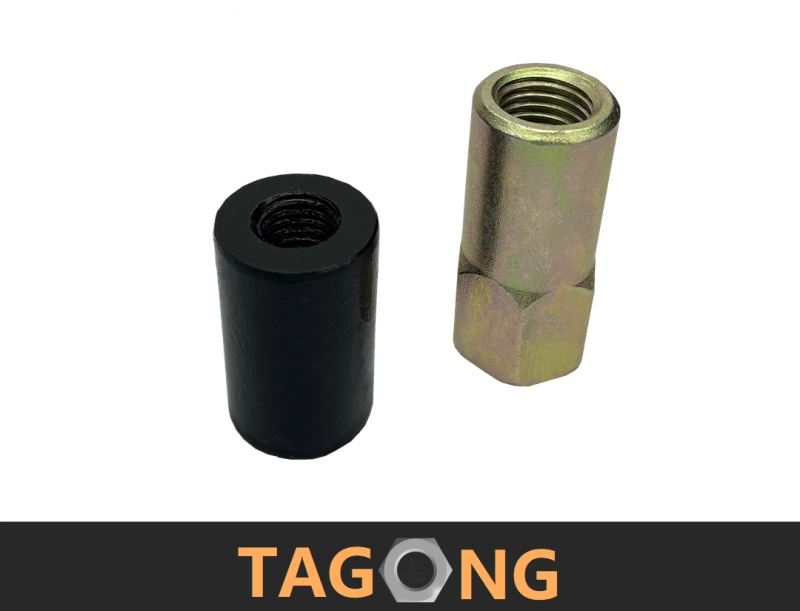
Yellow Zinc Nuts DIN74361 Auto Parts
RELEVANT INFORMATION

Understanding Wheel Nuts: A Key Component in Industrial Fastening
2026-02-23

The Critical Importance of Yellow Zinc Plated Hex Nuts in Ensuring Structural Integrity
2026-02-18
Understanding DIN6330 and ISO4033 High Nuts: Essential Components for U-bolts
2026-02-13

JINJIANG TAGONG HARDWARE FORGING MANUFACTURER.

Established in 1985,60,000 square meters state-of-the-art manufacturing facility founded in Jinjiang city has a large capacity to produce specialty fasteners to our customer's unique specifications, and drawings.
Contact Us
+86 15859750876 / +86 13599720777
No. 58, XUNKENG DISTRICT, SANKENG VILLAGE,JINJING TOWN,JINJIANG,FUJIAN ,CHINA