With over 40 years of experience, TAGONG is the expert in manufacturing standard fasteners and special fasteners
+86 15859750876
+86 13599720777


这里是标题一h1占位文字
Understanding the Specifications of DIN6330 Hex Coupling Nuts for Optimal Use
2025-01-26
Understanding the Specifications of DIN6330 Hex Coupling Nuts for Optimal Use
Table of Contents
- Introduction to DIN6330 Hex Coupling Nuts
- What Are Hex Coupling Nuts?
- Specifications of DIN6330 Hex Coupling Nuts
- Applications of Hex Coupling Nuts
- Installation Best Practices
- Benefits of Using DIN6330 Hex Coupling Nuts
- Common Issues and Solutions
- Conclusion
- FAQs
Introduction to DIN6330 Hex Coupling Nuts
DIN6330 hex coupling nuts are essential components in various industrial and construction applications. Designed to connect two male threads, these nuts play a crucial role in ensuring structural integrity and stability in assemblies. This article explores the specifications of DIN6330 hex coupling nuts, their applications, installation best practices, and the benefits they offer.
What Are Hex Coupling Nuts?
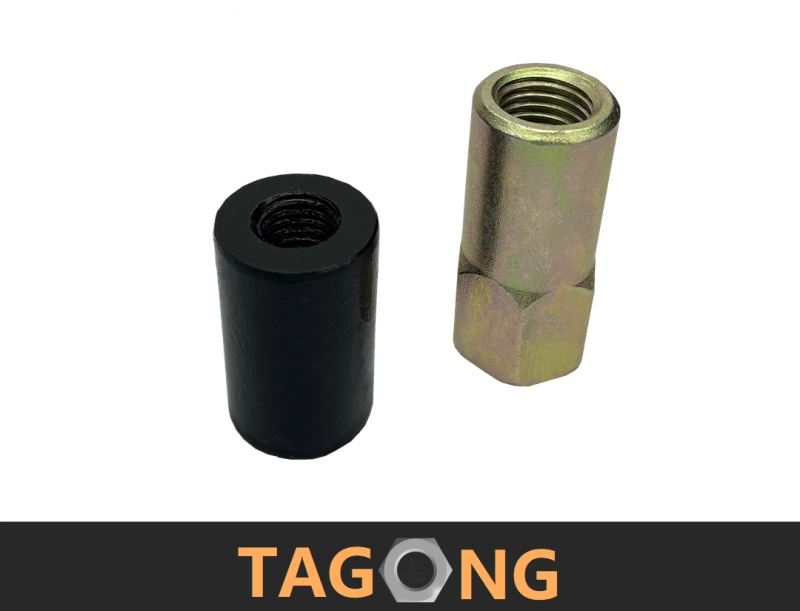
Hex coupling nuts are elongated nuts that feature a hexagonal shape, allowing for easy tightening and loosening with a wrench. They are specifically designed to join two threaded rods or components, providing a robust connection that can withstand significant tension and shear forces. The DIN6330 standard specifies the dimensions and properties of these nuts, ensuring consistency and reliability across various applications.
Specifications of DIN6330 Hex Coupling Nuts
Understanding the specifications of DIN6330 hex coupling nuts is crucial for selecting the right fasteners for your projects. Here, we delve into the key specifications that define these nuts.
Material Properties
DIN6330 hex coupling nuts are commonly made from several materials, each offering different properties:
1. **Steel**: The most prevalent material, often treated for enhanced strength and corrosion resistance.
2. **Stainless Steel**: Ideal for applications requiring resistance to rust and corrosion, particularly in harsh environments.
3. **Brass**: Used for specialized applications where electrical conductivity is needed.
Each material has a specific grade, often denoted by a number that indicates its tensile strength. For example, a common grade for steel is 8.8, while stainless steel may vary in grades from A2 to A4.
Dimensions and Sizes
The DIN6330 standard defines specific dimensions for hex coupling nuts, including:
- **Diameter**: Common sizes range from M6 to M30, with varying thread pitches.
- **Length**: The length of these nuts can vary to accommodate different assembly needs, typically ranging from 20 mm to over 100 mm.
- **Width Across Flats (AF)**: This measurement dictates the size of the wrench needed for installation, commonly standardized for each diameter.
It's essential to consult the DIN standard chart to ensure the correct size is selected for your application.
Tolerance Standards
DIN6330 hex coupling nuts must meet specific tolerance standards to ensure proper fit and function. These tolerances determine the acceptable limits of variation in dimensions, which are crucial for maintaining the integrity of the connection. Tight tolerances are particularly important in high-stress applications where precision is vital.
Applications of Hex Coupling Nuts
DIN6330 hex coupling nuts are utilized across a wide range of industries and applications, including:
- **Construction**: Used to connect structural elements like beams, columns, and trusses.
- **Automotive**: Employed in assembling vehicle components, ensuring secure connections in critical areas.
- **Manufacturing**: Integral in machinery setups and equipment assembly.
- **Electronics**: Used in the assembly of electrical enclosures and components requiring grounding.
Their versatility makes them a preferred choice in any application requiring reliable connections between threaded components.
Installation Best Practices
Proper installation of DIN6330 hex coupling nuts is crucial for their performance. Here are some best practices to follow:
1. **Preparation**: Ensure the mating threads are clean and free from debris to prevent cross-threading.
2. **Use the Correct Tool**: Employ the appropriate size wrench to avoid damaging the nut or fastener.
3. **Torque Specifications**: Follow manufacturer torque specifications to achieve optimal tightness without over-tightening.
4. **Check Alignment**: Ensure that the components are properly aligned before tightening to avoid undue stress on the fasteners.
Following these practices can significantly enhance the performance and longevity of your assemblies.
Benefits of Using DIN6330 Hex Coupling Nuts
Choosing DIN6330 hex coupling nuts comes with numerous advantages:
- **Strength and Durability**: These nuts are designed to withstand high loads and resist deformation, ensuring long-lasting performance.
- **Standardization**: The DIN standard ensures compatibility and interchangeability, simplifying procurement and inventory management.
- **Corrosion Resistance**: Various materials and finishes are available, providing options for different environmental conditions.
- **Ease of Use**: Their hexagonal shape allows for easy installation and removal using standard tools.
These benefits make DIN6330 hex coupling nuts a reliable choice for various applications.
Common Issues and Solutions
Despite their robust design, users may encounter issues with DIN6330 hex coupling nuts. Here are some common problems and their solutions:
1. **Corrosion**: Use stainless steel or coated nuts in corrosive environments to prevent rusting.
2. **Loosening**: Employ thread-locking compounds or nylon inserts to maintain tight connections in vibrating applications.
3. **Cross-threading**: Always ensure threads are aligned before installation to avoid damage.
Addressing these issues proactively can extend the life and performance of your fastener assemblies.
Conclusion
DIN6330 hex coupling nuts are indispensable components in various industrial and construction applications. Understanding their specifications, applications, and installation practices enables users to make informed decisions, ensuring optimal performance and reliability. By adhering to best practices and being aware of common issues, engineers and manufacturers can successfully leverage these fasteners for their projects.
FAQs
1. What are the primary uses of DIN6330 hex coupling nuts?
DIN6330 hex coupling nuts are primarily used to connect two threaded rods or components in construction, automotive, manufacturing, and electronics applications.
2. What materials are available for DIN6330 hex coupling nuts?
Common materials include steel, stainless steel, and brass, each offering different properties suited for specific applications.
3. How do I determine the correct size of a DIN6330 hex coupling nut?
Consult the DIN standard chart for dimensions and thread sizes, ensuring compatibility with your threaded components.
4. Can I use these nuts in outdoor applications?
Yes, but it's advisable to choose corrosion-resistant materials like stainless steel for outdoor use.
5. What tools do I need for installation?
A standard wrench that matches the width across flats of the nut is necessary for proper installation. Always ensure you use the appropriate size to avoid damage.
This comprehensive guide on DIN6330 hex coupling nuts provides essential information for optimal use and selection in various applications.
DIN6330 Hex Coupling Nuts price
RELEVANT INFORMATION

Understanding Wheel Nuts: A Key Component in Industrial Fastening
2026-02-23

The Critical Importance of Yellow Zinc Plated Hex Nuts in Ensuring Structural Integrity
2026-02-18
Understanding DIN6330 and ISO4033 High Nuts: Essential Components for U-bolts
2026-02-13

JINJIANG TAGONG HARDWARE FORGING MANUFACTURER.

Established in 1985,60,000 square meters state-of-the-art manufacturing facility founded in Jinjiang city has a large capacity to produce specialty fasteners to our customer's unique specifications, and drawings.
Contact Us
+86 15859750876 / +86 13599720777
No. 58, XUNKENG DISTRICT, SANKENG VILLAGE,JINJING TOWN,JINJIANG,FUJIAN ,CHINA