With over 40 years of experience, TAGONG is the expert in manufacturing standard fasteners and special fasteners
+86 15859750876
+86 13599720777


这里是标题一h1占位文字
Quadrangular Yellow Nuts: Meeting the Demands of Modern Engineering
2025-01-18
Quadrangular Yellow Nuts: Meeting the Demands of Modern Engineering
Table of Contents
- 1. Introduction to Quadrangular Yellow Nuts
- 2. Design Features of Quadrangular Yellow Nuts
- 3. Materials Used in Quadrangular Yellow Nuts
- 4. Applications of Quadrangular Yellow Nuts
- 5. Advantages of Using Quadrangular Yellow Nuts
- 6. Proper Installation Techniques for Quadrangular Yellow Nuts
- 7. Maintenance and Care for Quadrangular Yellow Nuts
- 8. Conclusion
- 9. FAQs About Quadrangular Yellow Nuts
1. Introduction to Quadrangular Yellow Nuts
In the realm of modern engineering, the demand for precision, durability, and reliability has never been greater. **Quadrangular yellow nuts** have emerged as crucial components in various industrial applications. These fastening elements are specifically designed to meet the rigorous standards of contemporary engineering projects. Their distinct geometric shape and vibrant yellow color not only enhance their visibility but also signify their robust construction.
This article delves into the essential characteristics, applications, and benefits of **quadrangular yellow nuts**, providing engineers and manufacturers with valuable insights into their role in modern engineering.
2. Design Features of Quadrangular Yellow Nuts
Quadrangular yellow nuts possess unique design features that set them apart from standard nuts used in engineering.
2.1 Shape and Geometry
The **quadrangular shape** of these nuts allows for a larger surface area, providing an increased grip when tightened. This design minimizes the risk of slippage and ensures a more secure fastening. The edges are usually beveled, allowing for easier alignment during installation.
2.2 Color Coding
The vibrant **yellow color** is not just for aesthetics; it serves practical purposes. The bright hue enhances visibility, making it easy to spot in various working environments. This is particularly advantageous during assembly and maintenance processes, as it helps workers quickly identify the components they need.
2.3 Threading and Compatibility
Quadrangular yellow nuts are generally designed with precision threading, compatible with a variety of bolts and screws. This versatility allows them to be used in multiple applications, catering to different engineering requirements.
3. Materials Used in Quadrangular Yellow Nuts
The materials used in the production of quadrangular yellow nuts significantly affect their performance and reliability.
3.1 Steel Alloys
Many quadrangular yellow nuts are made from high-quality **steel alloys**, which provide strength and durability. Steel nuts are often treated with corrosion-resistant coatings to enhance their longevity, especially in harsh environments.
3.2 Plastic and Composite Materials
In applications where weight reduction is crucial, **plastic and composite materials** are increasingly utilized. These lightweight options still provide the necessary strength while resisting corrosion and environmental degradation.
3.3 Coatings and Finishes
Coatings such as **zinc plating** or **powder coating** are commonly applied to enhance the nuts' resistance to corrosion and wear. The yellow color is often achieved through synthetic dyes or paints, ensuring not only durability but also a consistent aesthetic appeal.
4. Applications of Quadrangular Yellow Nuts
Quadrangular yellow nuts find extensive use across various industries due to their adaptability and robust design.
4.1 Construction and Civil Engineering
In construction, these nuts are integral for securing structural components, ensuring safety and stability in buildings and bridges.
4.2 Automotive Industry
In the automotive sector, quadrangular yellow nuts are employed to fasten parts like engines, suspensions, and frames, where reliability is paramount.
4.3 Aerospace Engineering
The aerospace industry demands high-performance materials, and quadrangular yellow nuts are often utilized in aircraft assembly, where weight and safety are critical considerations.
4.4 Machinery and Equipment
Industrial machinery relies on quadrangular yellow nuts to maintain secure connections, which is essential for operational efficiency and safety during heavy-duty tasks.
5. Advantages of Using Quadrangular Yellow Nuts
The use of quadrangular yellow nuts comes with several advantages that cater to the needs of modern engineering.
5.1 Enhanced Grip and Security
The unique shape provides a larger contact area, which translates into a stronger grip on the connected surfaces. This reduces the chances of loosening over time, promoting safety and reliability.
5.2 Versatility
Quadrangular yellow nuts can be used in various applications, making them an economical choice for manufacturers and engineers who require reliable fastening solutions across different projects.
5.3 Corrosion Resistance
With the application of advanced coatings and the choice of materials, these nuts can withstand harsh environmental conditions, extending their lifespan and reducing maintenance costs.
5.4 Cost-Effectiveness
Despite their specialized design, quadrangular yellow nuts are competitively priced, providing manufacturers with a cost-effective fastening solution without compromising on quality.
6. Proper Installation Techniques for Quadrangular Yellow Nuts
To ensure optimal performance and longevity, following proper installation techniques for quadrangular yellow nuts is crucial.
6.1 Tools Required
Using the correct tools, such as torque wrenches and socket sets, is essential for achieving the necessary tightness without damaging the nuts or the surface they are fastening.
6.2 Pre-Installation Checks
Before installation, it is advisable to inspect both the nut and the mating surface for any defects. Cleaning the surfaces can also help achieve a better grip.
6.3 Tightening Process
The tightening process should be carried out gradually, applying torque in a crisscross pattern when fastening multiple nuts. This ensures even distribution of pressure and reduces the risk of warping.
7. Maintenance and Care for Quadrangular Yellow Nuts
Regular maintenance of quadrangular yellow nuts is vital for ensuring their ongoing performance.
7.1 Regular Inspections
Conducting regular inspections can identify any signs of wear, corrosion, or loosening. Early detection allows for timely intervention before a failure occurs.
7.2 Cleaning
Keeping the nuts clean helps prevent the buildup of contaminants that could affect their performance. Using appropriate cleaning agents can enhance their durability.
7.3 Replacement
In cases where nuts show significant wear or damage, timely replacement is crucial to maintain the integrity of the entire assembly.
8. Conclusion
Quadrangular yellow nuts are indispensable components in modern engineering, offering unique advantages that cater to the demands of various industries. Their distinct design, material properties, and versatile applications make them a reliable choice for engineers and manufacturers aiming for excellence in their projects. Embracing the use of these nuts can lead to enhanced safety, durability, and cost-effectiveness, ensuring that engineering endeavors meet and exceed contemporary standards.
9. FAQs About Quadrangular Yellow Nuts
What is a quadrangular yellow nut?
A quadrangular yellow nut is a fastening component characterized by its four-sided shape and bright yellow color, designed for enhanced grip and visibility in engineering applications.
What materials are used to manufacture quadrangular yellow nuts?
Quadrangular yellow nuts are typically made from high-quality steel alloys, plastics, or composite materials, often treated with protective coatings to enhance durability and resistance to corrosion.
Where are quadrangular yellow nuts commonly used?
These nuts are widely used in construction, automotive, aerospace, and machinery industries, serving as essential components for secure fastening.
What are the advantages of using quadrangular yellow nuts?
Advantages include enhanced grip, versatility in applications, corrosion resistance, and cost-effectiveness, making them a preferred choice in engineering.
How should quadrangular yellow nuts be installed?
Proper installation involves using the correct tools, conducting pre-installation checks, and tightening the nuts in a systematic manner to ensure even pressure distribution.
By adhering to these insights and practices, we can ensure that **quadrangular yellow nuts** continue to meet the ever-evolving demands of modern engineering.
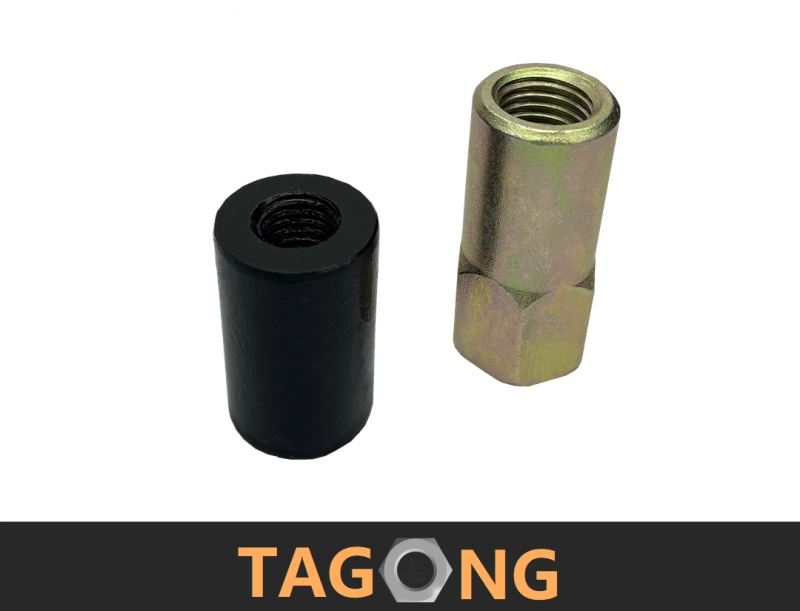
Quadrangular yellow nut
RELEVANT INFORMATION

Understanding Wheel Nuts: A Key Component in Industrial Fastening
2026-02-23

The Critical Importance of Yellow Zinc Plated Hex Nuts in Ensuring Structural Integrity
2026-02-18
Understanding DIN6330 and ISO4033 High Nuts: Essential Components for U-bolts
2026-02-13

JINJIANG TAGONG HARDWARE FORGING MANUFACTURER.

Established in 1985,60,000 square meters state-of-the-art manufacturing facility founded in Jinjiang city has a large capacity to produce specialty fasteners to our customer's unique specifications, and drawings.
Contact Us
+86 15859750876 / +86 13599720777
No. 58, XUNKENG DISTRICT, SANKENG VILLAGE,JINJING TOWN,JINJIANG,FUJIAN ,CHINA