With over 40 years of experience, TAGONG is the expert in manufacturing standard fasteners and special fasteners
+86 15859750876
+86 13599720777
这里是标题一h1占位文字
Understanding Bolts, Wheel Nuts, and DIN 74361 Standards in Auto Parts
2025-01-09
In the realm of automotive engineering, the use of high-quality fasteners is crucial for safety and performance. Among these, bolts and wheel nuts play a vital role in securing various components of a vehicle, including wheels, suspensions, and engines. The DIN 74361 standard is particularly significant as it outlines the specifications for wheel nuts, ensuring they meet the required strength and performance criteria.
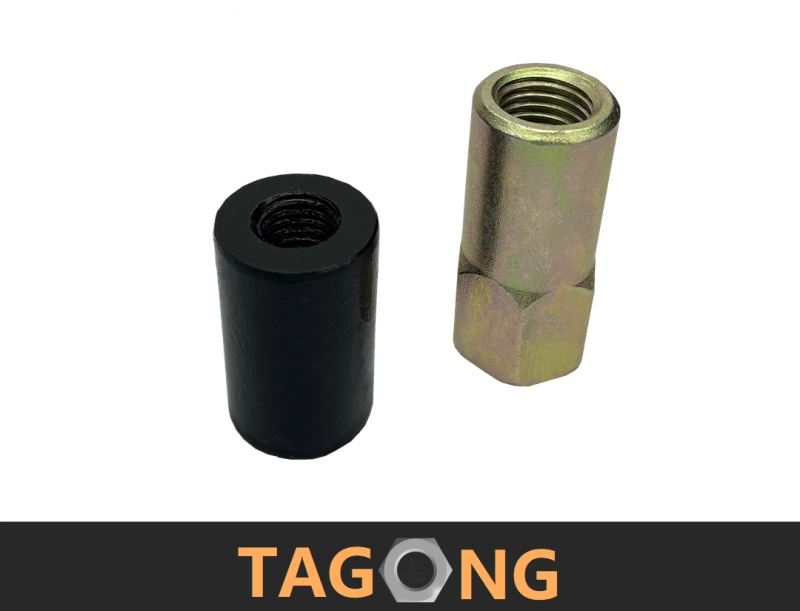
Bolts are typically used to create a secure and stable connection between different parts. They consist of a head and a long shaft with threads, which allows them to be screwed into a corresponding nut or tapped hole. When it comes to wheel nuts, they are specifically designed to fasten the wheels to the vehicle's hub. These nuts need to withstand significant forces, as they endure the vehicle's weight and the stress of road conditions.
The DIN 74361 standard specifies the dimensions, mechanical properties, and testing methods for wheel nuts to ensure they perform reliably under various conditions. This standardization is vital as it allows manufacturers to produce consistent and compatible components, which in turn guarantees the safety and performance of vehicles.
Choosing the right bolts and wheel nuts is crucial for automotive professionals. Factors to consider include the material, coating, and size of the fasteners. High-strength materials such as carbon steel or alloy steel are commonly used, as they offer excellent tensile strength and resistance to corrosion. Additionally, the finish on these parts, whether it's zinc-plated or black oxide, can enhance durability and longevity.
It's also essential to follow proper torque specifications when installing bolts and wheel nuts. Over-tightening can lead to premature failure, while under-tightening may result in loose connections, both of which can compromise vehicle safety. Therefore, employing torque wrenches and adhering to manufacturer guidelines is recommended to achieve optimal performance.
In summary, understanding the importance of bolts and wheel nuts, particularly those that comply with the DIN 74361 standard, is essential for maintaining vehicle safety and performance. These fasteners are more than mere components; they are critical elements that ensure the integrity of automotive systems. By selecting the appropriate fasteners and following installation best practices, automotive professionals can significantly contribute to the reliability and safety of their vehicles.
Bolts are typically used to create a secure and stable connection between different parts. They consist of a head and a long shaft with threads, which allows them to be screwed into a corresponding nut or tapped hole. When it comes to wheel nuts, they are specifically designed to fasten the wheels to the vehicle's hub. These nuts need to withstand significant forces, as they endure the vehicle's weight and the stress of road conditions.
The DIN 74361 standard specifies the dimensions, mechanical properties, and testing methods for wheel nuts to ensure they perform reliably under various conditions. This standardization is vital as it allows manufacturers to produce consistent and compatible components, which in turn guarantees the safety and performance of vehicles.
Choosing the right bolts and wheel nuts is crucial for automotive professionals. Factors to consider include the material, coating, and size of the fasteners. High-strength materials such as carbon steel or alloy steel are commonly used, as they offer excellent tensile strength and resistance to corrosion. Additionally, the finish on these parts, whether it's zinc-plated or black oxide, can enhance durability and longevity.
It's also essential to follow proper torque specifications when installing bolts and wheel nuts. Over-tightening can lead to premature failure, while under-tightening may result in loose connections, both of which can compromise vehicle safety. Therefore, employing torque wrenches and adhering to manufacturer guidelines is recommended to achieve optimal performance.
In summary, understanding the importance of bolts and wheel nuts, particularly those that comply with the DIN 74361 standard, is essential for maintaining vehicle safety and performance. These fasteners are more than mere components; they are critical elements that ensure the integrity of automotive systems. By selecting the appropriate fasteners and following installation best practices, automotive professionals can significantly contribute to the reliability and safety of their vehicles.
Bolts Wheel Nuts DIN74361 Auto Parts
RELEVANT INFORMATION
Understanding Wheel Nuts: A Key Component in Industrial Fastening
When it comes to industrial equipment and vehicles, wheel nuts are an essential component that should never be overlooked. These fasteners are primarily designed to secure wheels to axles, ensuring stability and safety during operation. Properly fitted and maintained wheel nuts prevent accidents, enhance performance, and extend the lifespan of equipment.
Wheel nuts come in various types, includin
2026-02-23
The Critical Importance of Yellow Zinc Plated Hex Nuts in Ensuring Structural Integrity
Table of Contents
Introduction to Yellow Zinc Plated Hex Nuts
Understanding Hex Nuts and Their Types
Why Yellow Zinc Plating Matters
Benefits of Yellow Zinc Plated Hex Nuts
Applications in Structural Engineering
Choosing the Right Yellow Zinc Plated Hex Nut
Installation Best Pra
2026-02-18
Understanding DIN6330 and ISO4033 High Nuts: Essential Components for U-bolts
---
In the realm of industrial equipment and components, fasteners play a pivotal role in ensuring the structural integrity and functionality of various applications. Among the essential fastener types are the DIN6330 and ISO4033 high nuts, which are particularly designed for use with U-bolts. Understanding their specifications, uses, and advantages can significantly enhance assembly processes and
2026-02-13