With over 40 years of experience, TAGONG is the expert in manufacturing standard fasteners and special fasteners
+86 15859750876
+86 13599720777


这里是标题一h1占位文字
Understanding the Importance of DIN74361 Wheel Nuts in Automotive Applications
2025-01-04
Understanding the Importance of DIN74361 Wheel Nuts in Automotive Applications
Table of Contents
- Introduction to DIN74361 Wheel Nuts
- Technical Specifications of DIN74361 Nuts
- The Role of DIN74361 Wheel Nuts in Automotive Safety
- Types of Wheel Nuts and Their Applications
- Material Selection for DIN74361 Nuts
- Installation and Maintenance Best Practices
- Common Issues with DIN74361 Wheel Nuts and Solutions
- Future Trends in Wheel Nut Design
- Frequently Asked Questions
- Conclusion
Introduction to DIN74361 Wheel Nuts
DIN74361 wheel nuts are specialized fasteners designed for securing wheels to vehicles. Their importance in automotive applications cannot be overstated, as they play a pivotal role in ensuring the integrity, safety, and performance of vehicles. These wheel nuts are engineered to meet specific standards, providing the reliability needed in high-performance scenarios.
In the automotive landscape, wheel nuts must withstand extreme conditions, including high torque, varying temperatures, and environmental factors. Understanding the characteristics and applications of DIN74361 wheel nuts is essential for manufacturers, repair shops, and vehicle enthusiasts alike.
Technical Specifications of DIN74361 Nuts
DIN74361 wheel nuts possess specific technical features that define their usability and effectiveness. These specifications include:
Dimensions and Thread Pitch
DIN74361 nuts typically feature a hexagonal shape with various standard dimensions and thread pitches. The most common sizes include M12, M14, and M16, with thread pitches generally ranging from 1.25 to 1.5 mm. These dimensions ensure compatibility with a wide range of vehicles and applications.
Material Standards
The materials used for DIN74361 wheel nuts are critical to their performance. They are commonly made from high-strength steel, often treated with coatings to resist corrosion and wear. Options may include zinc plating, which offers a degree of protection against rust, as well as other treatments that improve surface hardness and fatigue resistance.
Tensile Strength
Tensile strength is a crucial metric for assessing the performance of wheel nuts. DIN74361 nuts are designed to meet specific tensile strength standards, typically ranging from 8.8 to 12.9 grades. Higher grades indicate increased strength and durability, making them suitable for demanding applications.
The Role of DIN74361 Wheel Nuts in Automotive Safety
Safety is the foremost concern in the automotive industry, and DIN74361 wheel nuts significantly contribute to vehicle safety. Properly secured wheels are essential for maintaining vehicle stability, traction, and handling. A failure in the wheel nut can lead to catastrophic results, including wheel detachment and loss of control.
Preventing Wheel Detachment
The primary role of wheel nuts is to prevent wheel detachment. When installed correctly, they hold the wheel securely against the hub, distributing stress evenly. This distribution minimizes the risk of failure due to overloading or fatigue.
Impact on Vehicle Performance
The performance of a vehicle is directly linked to the integrity of its wheel nuts. Loose or improperly installed nuts can lead to vibrations, decreased handling, and even premature wear of suspension components. Ensuring the correct torque specifications during installation is crucial for maintaining optimal performance.
Types of Wheel Nuts and Their Applications
DIN74361 wheel nuts fall into several categories, each serving specific applications. Understanding these types helps in selecting the right nut for various automotive needs.
Conical Seat Wheel Nuts
Conical seat wheel nuts, also known as taper nuts, are designed with a cone-shaped seat that fits snugly against the wheel. They are commonly used in passenger vehicles and light trucks due to their ability to provide a secure fit.
Flat Seat Wheel Nuts
Flat seat wheel nuts are characterized by a flat surface that makes contact with the wheel. They are typically used in heavy-duty applications where high torque is needed, such as in commercial vehicles and large machinery.
Locking Wheel Nuts
Locking wheel nuts are designed to prevent theft by using a unique key to tighten or loosen them. They add an extra layer of security for vehicle owners who want to safeguard their wheels.
Material Selection for DIN74361 Nuts
Choosing the right material for DIN74361 wheel nuts is vital for performance and longevity. Several factors must be considered:
Corrosion Resistance
Corrosion resistance is a critical consideration, especially in environments exposed to moisture and road salt. High-strength steel treated with anti-corrosive coatings offers the best combination of strength and durability.
Heat Treatment
Heat treatment processes enhance the strength of wheel nuts, allowing them to withstand higher stress levels. This process can significantly improve the fatigue life of the nuts, making them more reliable under high-load conditions.
Cost vs. Performance
While high-performance materials may offer superior durability, they can also come at a premium price. Balancing cost and performance is essential for manufacturers and suppliers when selecting materials for DIN74361 wheel nuts.
Installation and Maintenance Best Practices
Proper installation and maintenance of DIN74361 wheel nuts are crucial for ensuring long-term performance and safety. Here are some best practices:
Correct Torque Specifications
Always adhere to the manufacturer's recommended torque specifications when installing wheel nuts. Using a calibrated torque wrench ensures that each nut is tightened to the correct level, preventing loosening and ensuring even distribution of stress.
Regular Inspections
Regularly inspect wheel nuts for signs of wear, corrosion, or damage. Any compromised nuts should be replaced immediately to maintain vehicle safety.
Proper Storage and Handling
Wheel nuts should be stored in a dry, clean environment to prevent corrosion. Avoid exposing them to extreme temperatures or harsh chemicals that could degrade their material properties.
Common Issues with DIN74361 Wheel Nuts and Solutions
Despite their rugged design, DIN74361 wheel nuts can encounter several issues. Understanding these common problems and their solutions is crucial for maintaining vehicle safety and performance.
Corrosion and Rust
Corrosion can significantly weaken wheel nuts over time. To combat this, ensure that nuts are made from corrosion-resistant materials and regularly inspect for early signs of rust.
Loosening Over Time
Wheel nuts can loosen due to vibrations and thermal expansion. Regularly checking and re-torquing nuts as part of maintenance can prevent this issue.
Stripped Threads
Stripped threads can occur from improper installation or over-tightening. Always use the correct size and type of nut for your vehicle, and avoid using damaged nuts.
Future Trends in Wheel Nut Design
As technology advances, so do the design and manufacturing processes for wheel nuts. Several trends are shaping the future of DIN74361 wheel nuts.
Smart Wheel Nuts
Emerging technologies are leading to the development of smart wheel nuts equipped with sensors. These sensors can monitor torque levels and alert drivers if a nut becomes loose or compromised.
Lightweight Materials
The automotive industry is increasingly focused on reducing weight for improved fuel efficiency. The use of lightweight materials in wheel nut design can help achieve this goal while maintaining strength and durability.
Enhanced Coatings
Innovative coatings are being developed to improve corrosion resistance and reduce friction during installation. These advancements can lead to more reliable long-term performance for wheel nuts.
Frequently Asked Questions
What is the purpose of DIN74361 wheel nuts?
DIN74361 wheel nuts secure the wheels to a vehicle, ensuring stability, safety, and performance during operation.
How do I know if my wheel nuts are the right size?
Consult your vehicle's manual or a parts supplier to determine the correct size and type of wheel nuts for your specific vehicle model.
Can I reuse wheel nuts after removing them?
In most cases, it is acceptable to reuse wheel nuts, but always inspect them for signs of wear or damage before reinstallation.
What torque should I use for DIN74361 wheel nuts?
Refer to your vehicle manufacturer’s specifications for the correct torque setting. Using a calibrated torque wrench is essential for accurate installation.
How often should I inspect my wheel nuts?
It is advisable to inspect wheel nuts during regular vehicle maintenance checks, ideally every tire rotation or oil change.
Conclusion
DIN74361 wheel nuts are a fundamental component of automotive safety and performance. Their design, material selection, and proper installation are crucial in ensuring that vehicles operate effectively and securely. As automotive technology continues to evolve, so too will the innovations surrounding wheel nuts, ensuring they meet the demands of modern vehicles. By understanding the importance of DIN74361 wheel nuts, we can appreciate their role in enhancing vehicle safety, performance, and reliability.
Bolts Wheel Nuts DIN74361 Auto Parts
RELEVANT INFORMATION

Understanding Wheel Nuts: A Key Component in Industrial Fastening
2026-02-23

The Critical Importance of Yellow Zinc Plated Hex Nuts in Ensuring Structural Integrity
2026-02-18
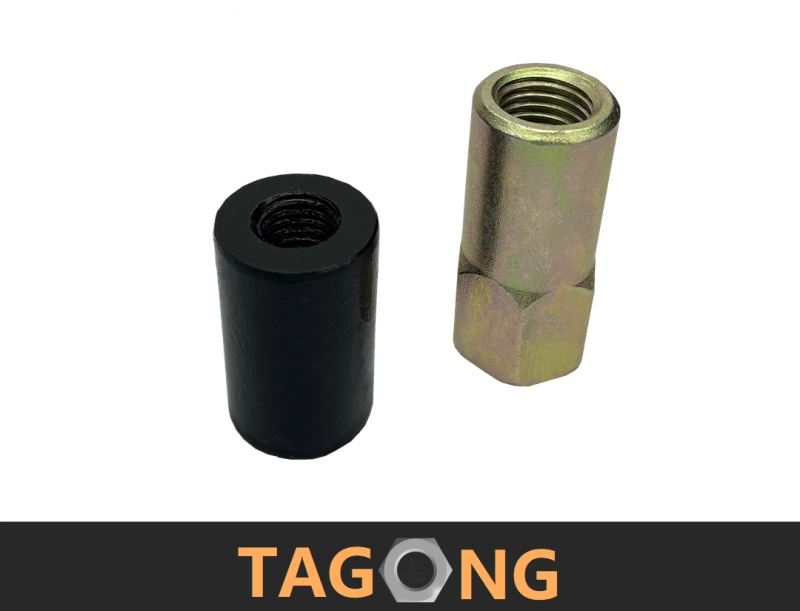
Understanding DIN6330 and ISO4033 High Nuts: Essential Components for U-bolts
2026-02-13

JINJIANG TAGONG HARDWARE FORGING MANUFACTURER.

Established in 1985,60,000 square meters state-of-the-art manufacturing facility founded in Jinjiang city has a large capacity to produce specialty fasteners to our customer's unique specifications, and drawings.
Contact Us
+86 15859750876 / +86 13599720777
No. 58, XUNKENG DISTRICT, SANKENG VILLAGE,JINJING TOWN,JINJIANG,FUJIAN ,CHINA